February
19th,
2026
Now You See It, Now You Don’t
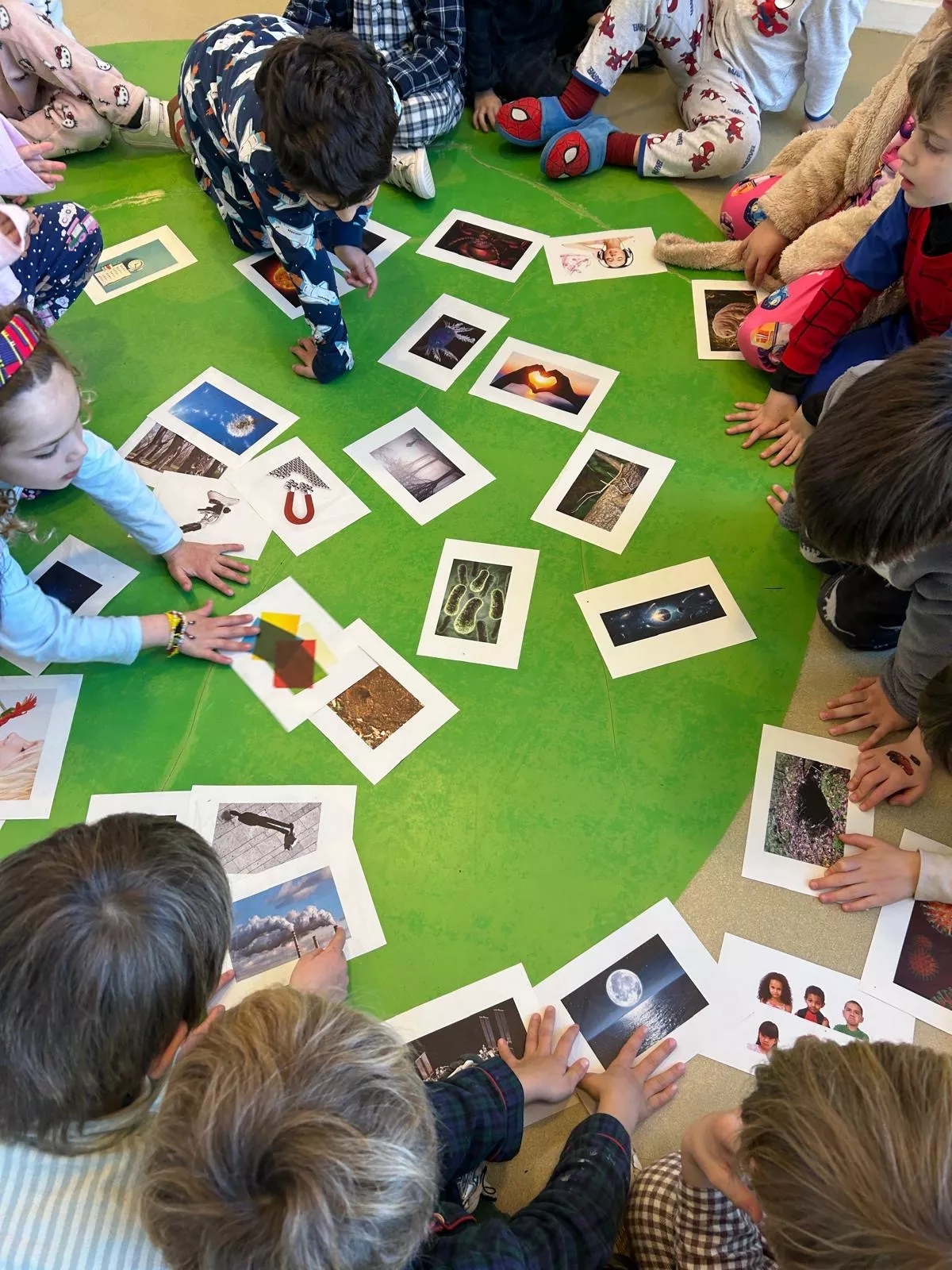
What elements in our surroundings are we not able to see? We want to bring MOPI pupils closer to the world, to all those organisms and elements invisible to the naked eye with which we coexist on a daily basis.
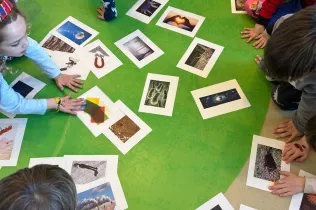
We take advantage of some excuse, some everyday element, to ask ourselves about what is seen, what is not seen, how we can see things that we do not see with the naked eye and many other aspects of vision, such as size, light, colour, transparency, perspective...
Within the “Now You See It, Now You Don’t” learning node, and through a wide variety of activities, we aim for the children to: Discover elements of the environment that cannot be seen with the naked eye; Apply the scientific method and use different instruments for investigation; And become aware of the elements and situations that trigger fear.
The Invisible Message
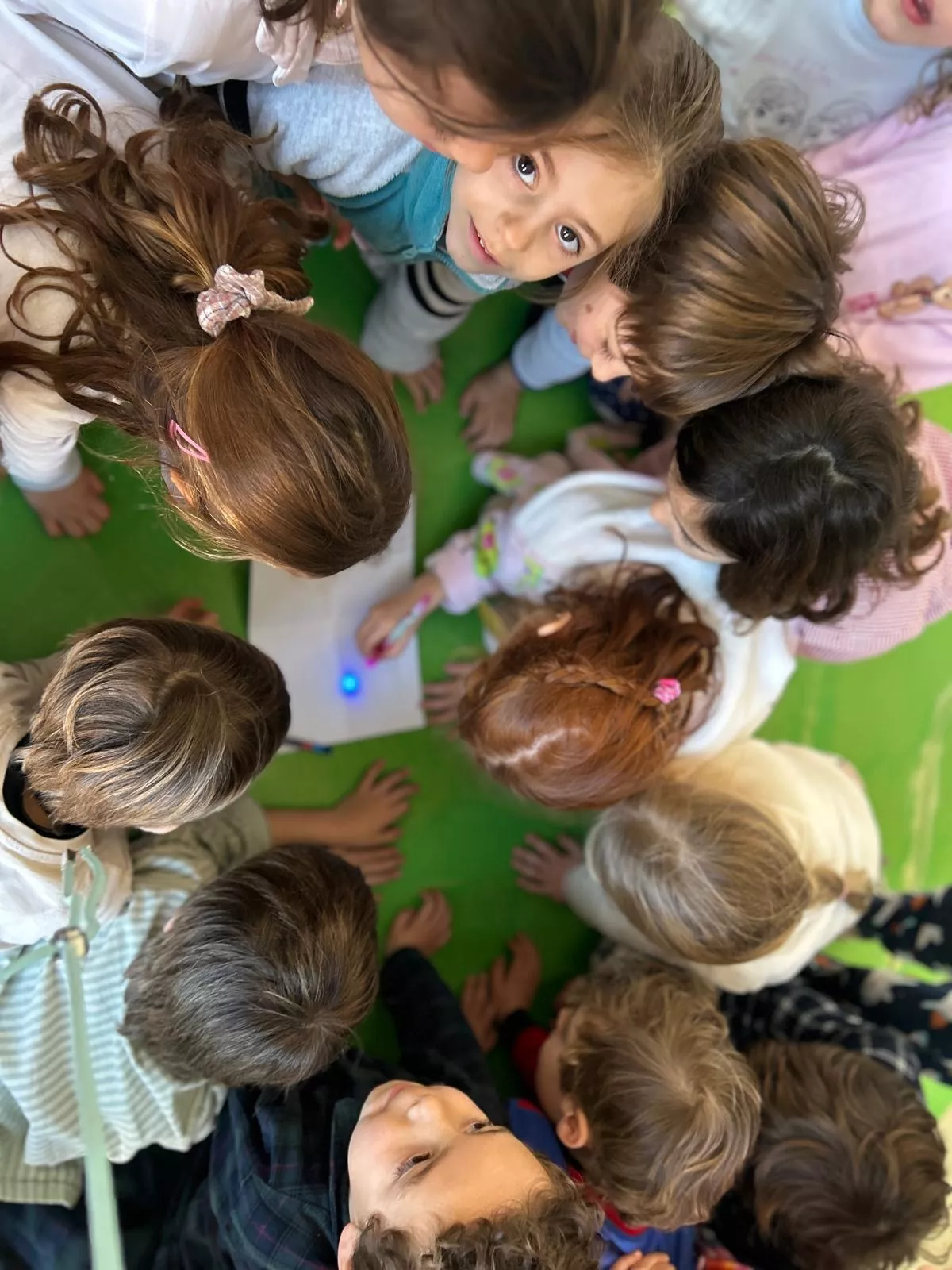
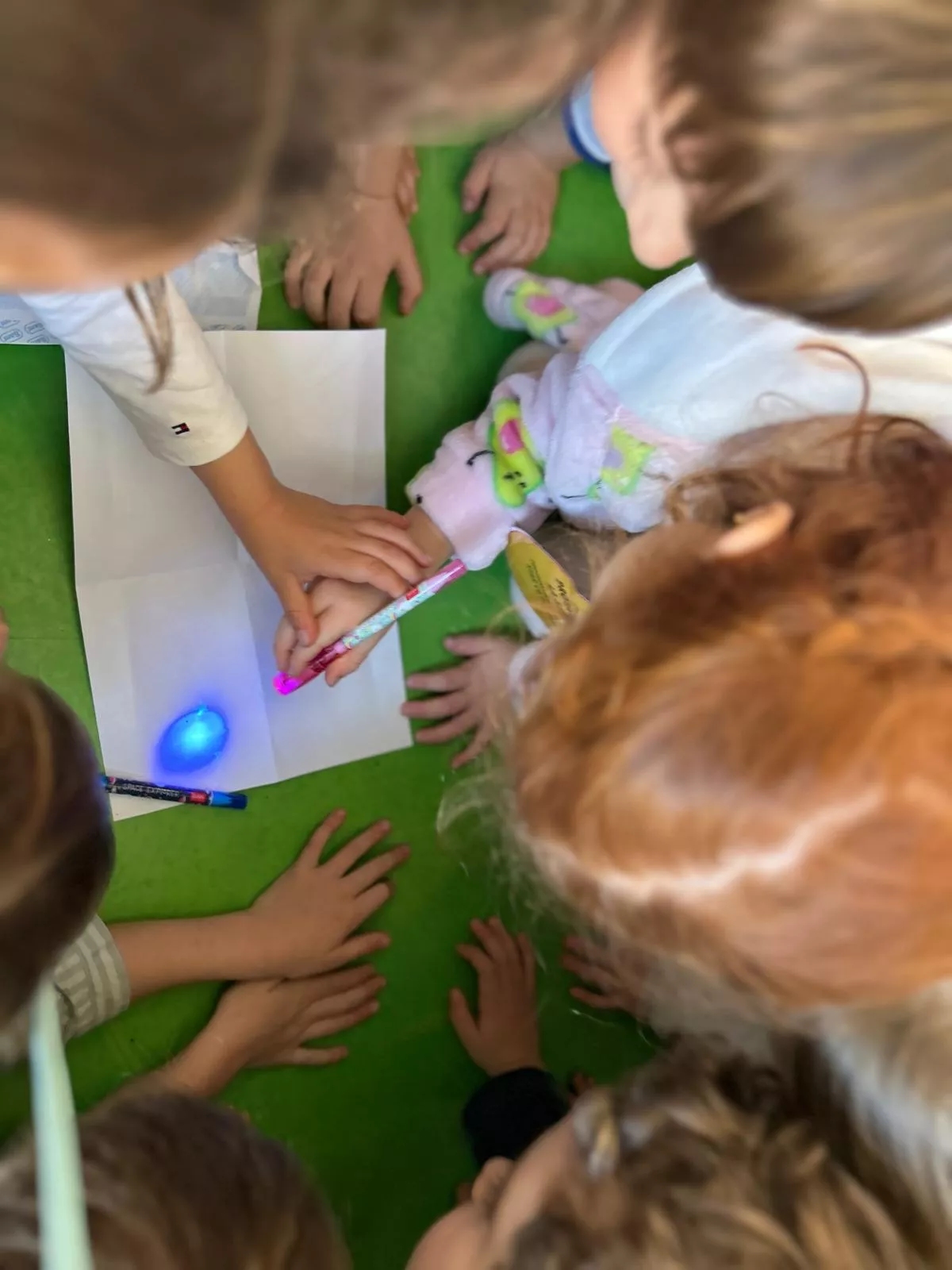
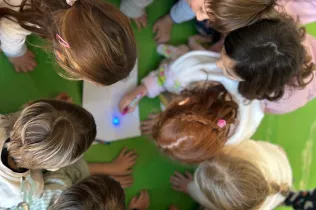
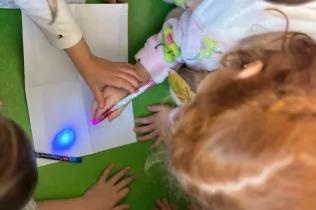
In this scientific node, which invites us to investigate everything that is there… but that we cannot always see, we received a letter written in invisible ink. Only with a special light were we able to reveal its message, sparking curiosity, surprise, and our first hypotheses.
From here, we begin a journey of exploration where we will observe, experiment, and ask questions about the invisible world around us. Because learning also means looking beyond what meets the eye.
How to Chase the Monsters Away
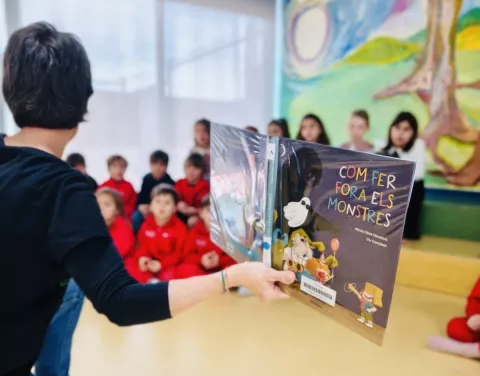
We shared a very special storytelling session with Mireia Olivé, author of the book How to Chase the Monsters Away.
Through her story, the children were able to approach the concept of fear in a respectful, relatable way, discovering strategies to understand and overcome it. This activity is part of the “Now You See It, Now You Don’t” node, where we work on the things that surround us but cannot be seen with the naked eye, such as emotions.
The story has become a pedagogical tool for listening, sharing, and opening meaningful conversations, helping children put a name and a meaning to what they feel, while fostering emotional security and confidence.
Image
The World of Microbes
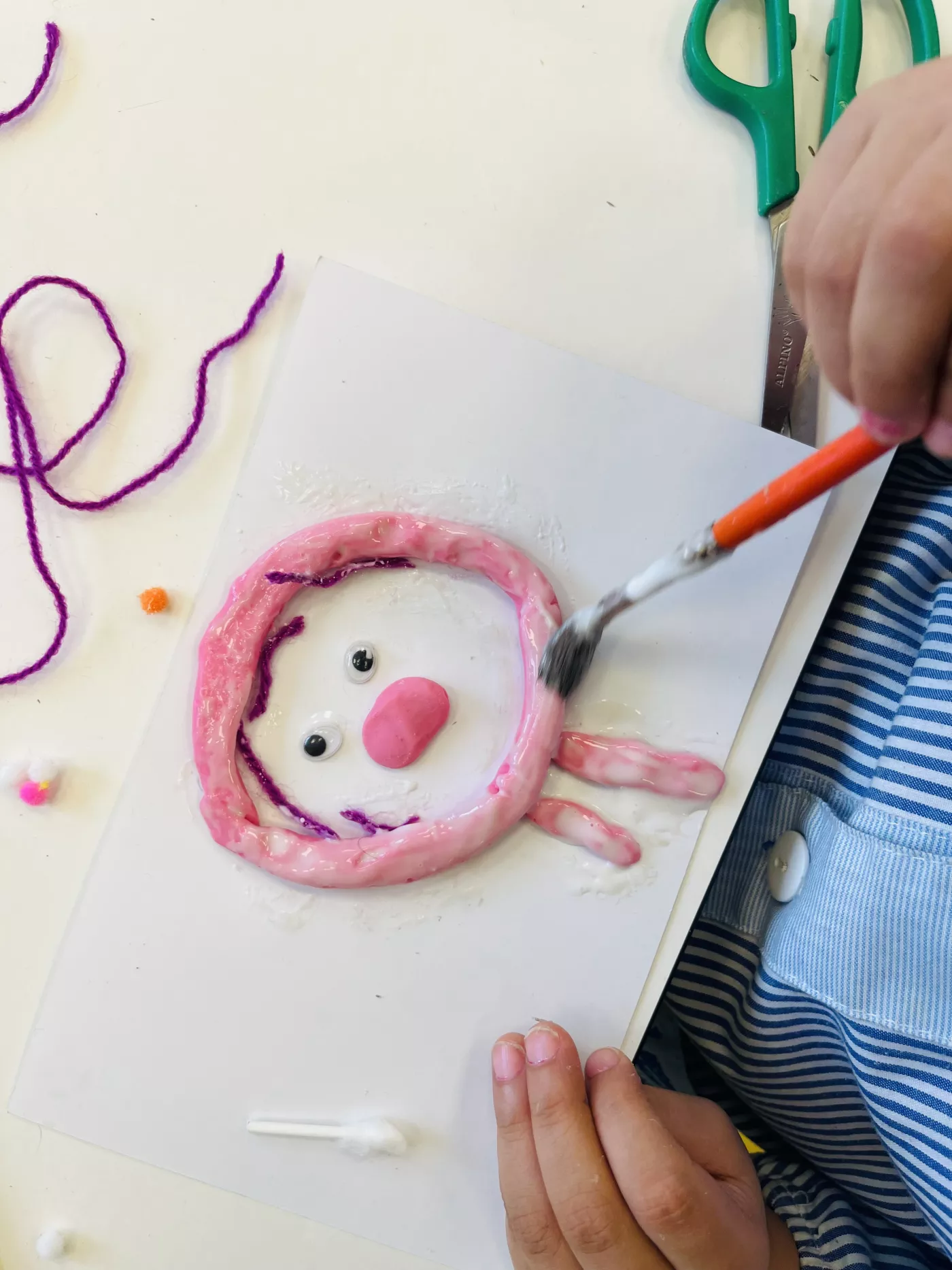
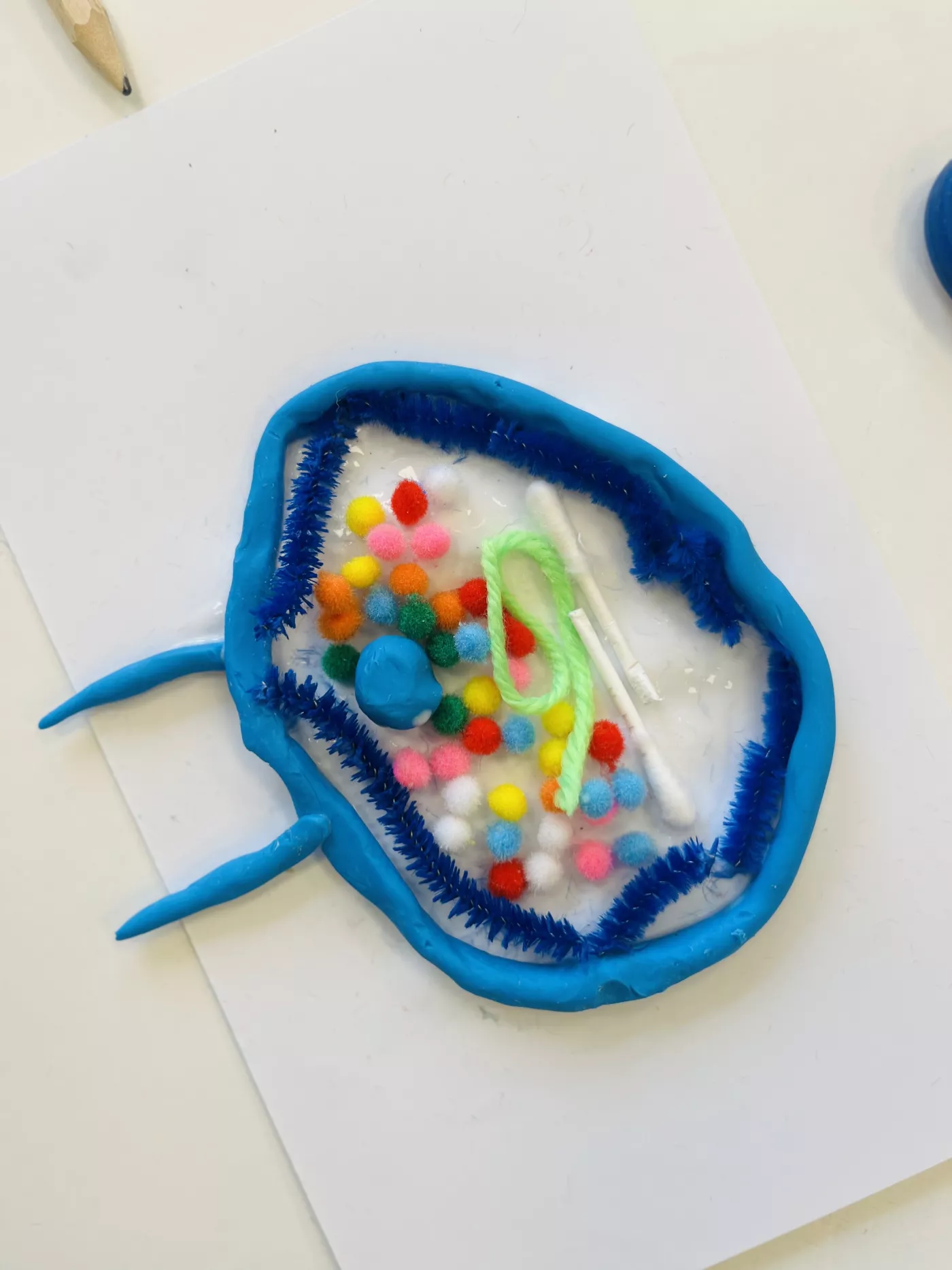
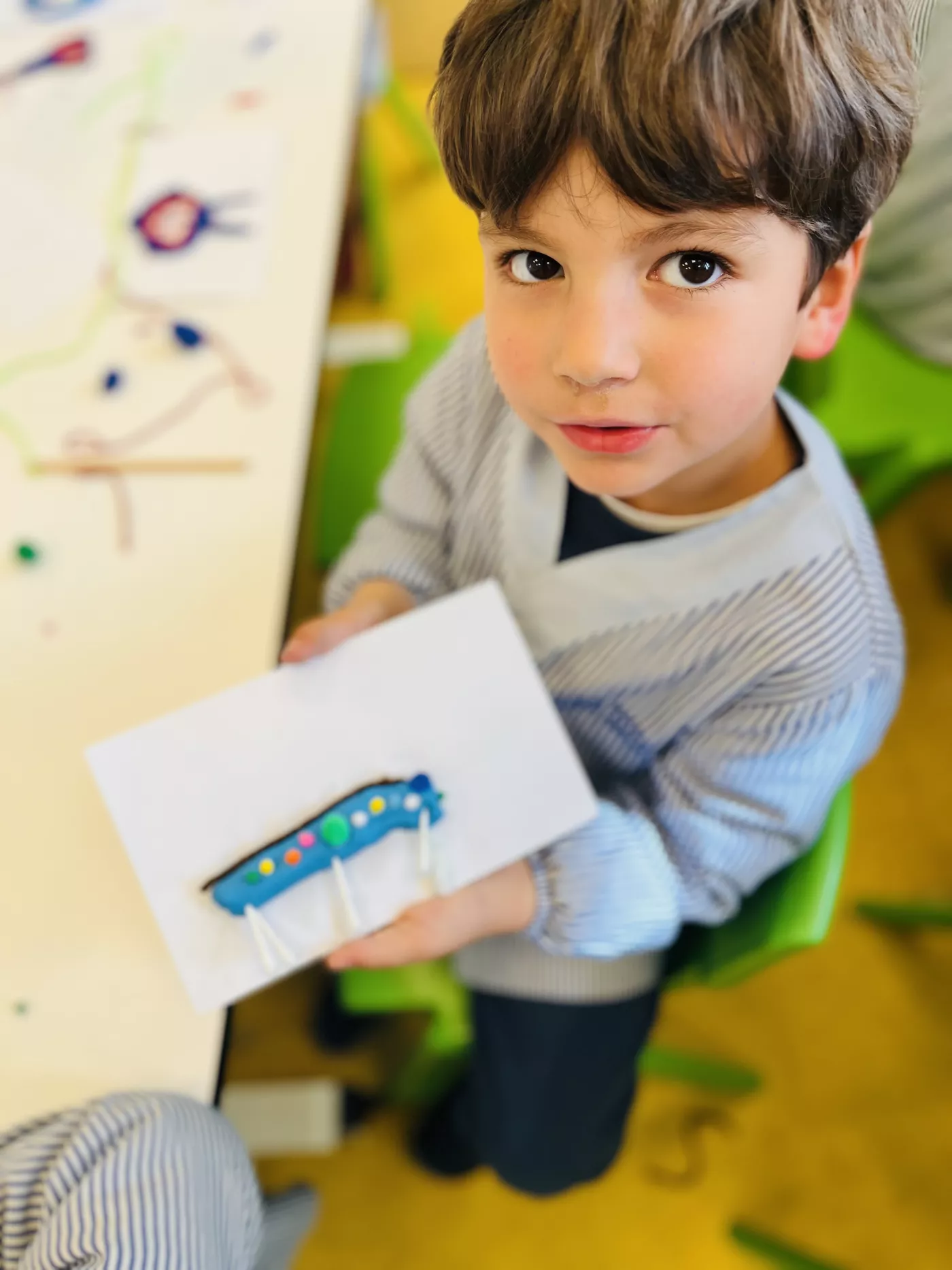
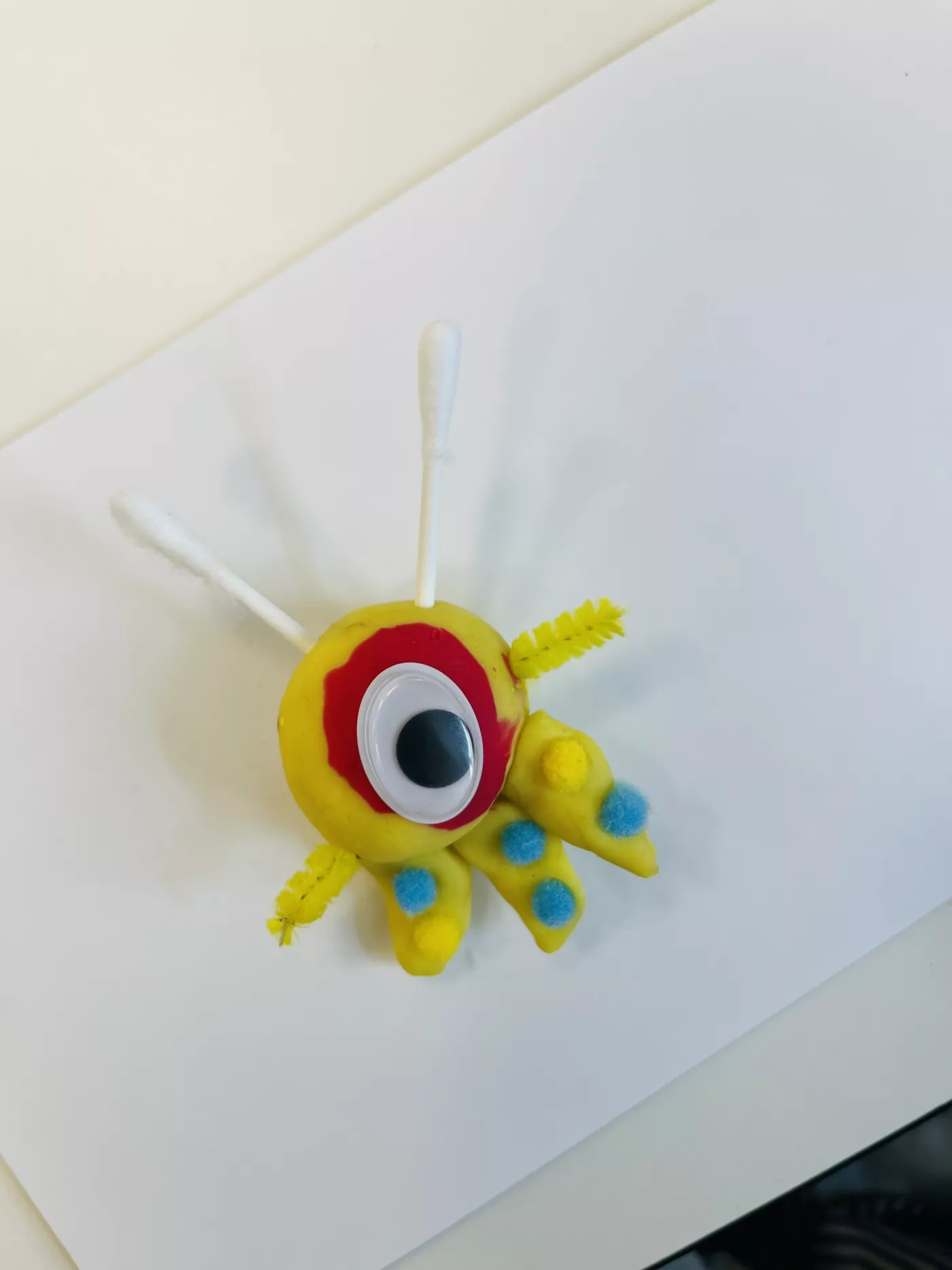
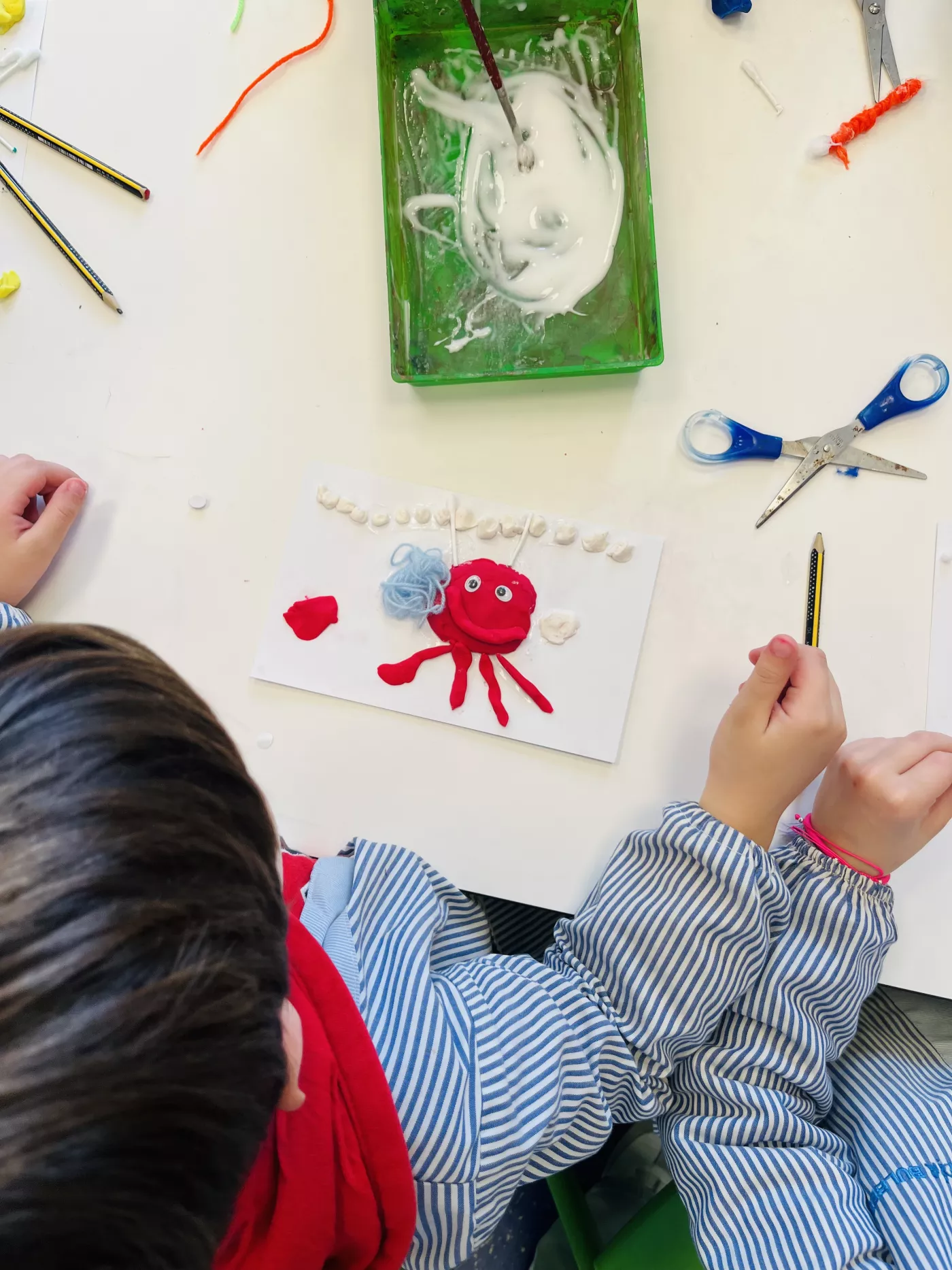
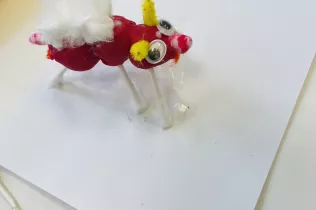
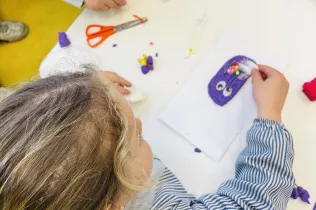
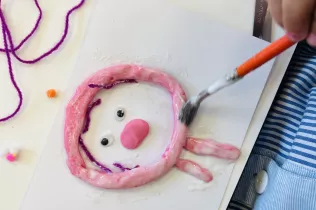
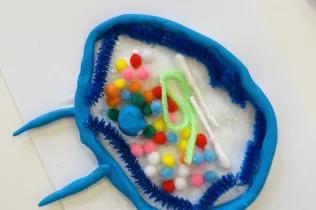
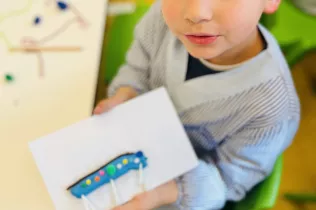
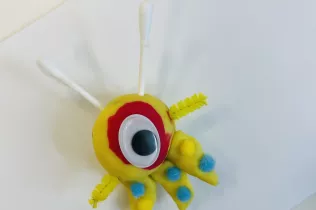
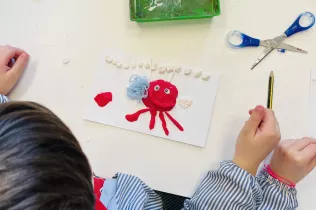
As part of the "Now You See It, Now You Don’t" node, we are delving into a fascinating world invisible to the naked eye; today, we talked about microbes. Before diving into investigation, observation, and experimentation, we wanted to pause at a key first step of scientific thinking: imagining and formulating hypotheses.
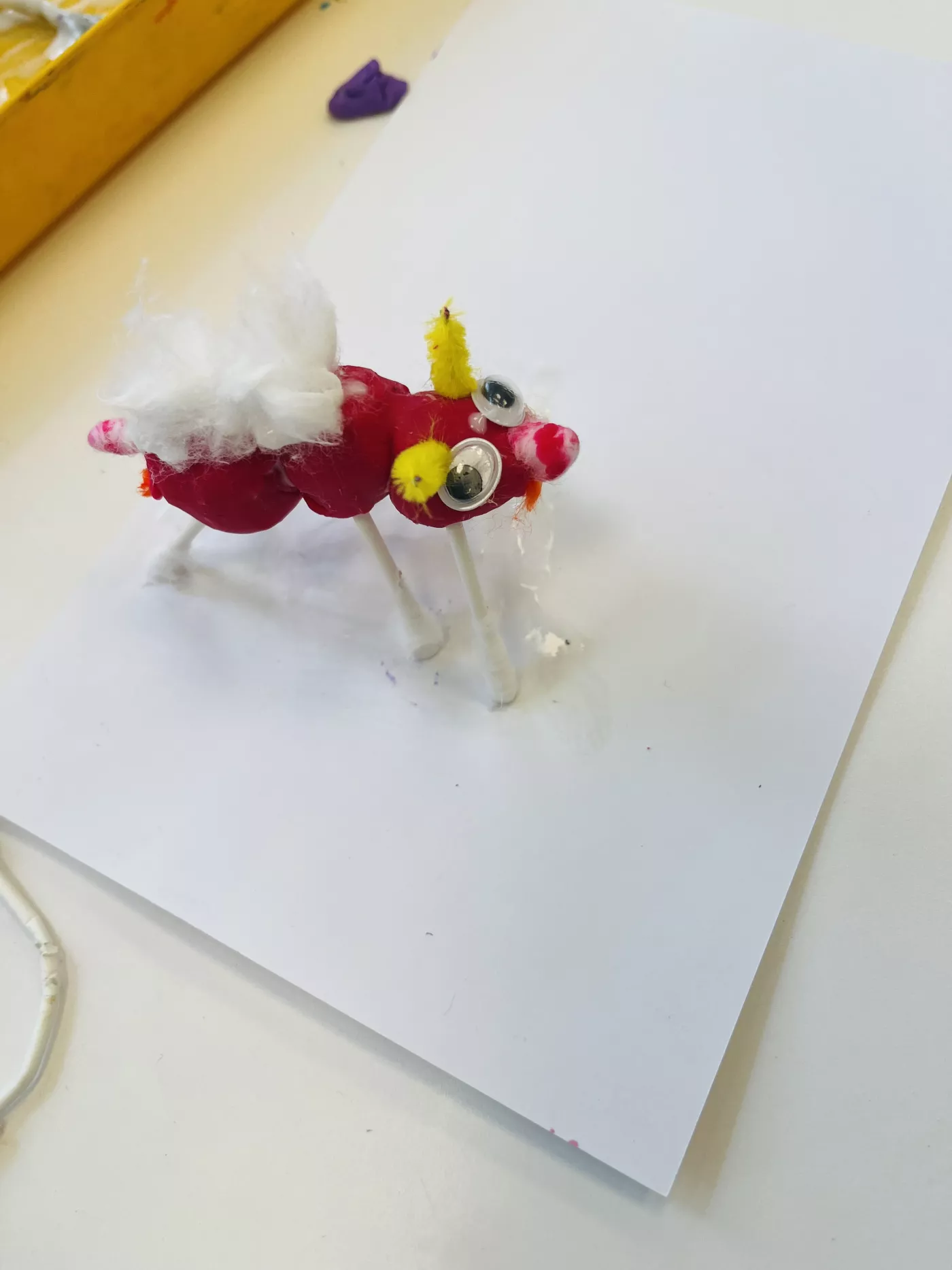
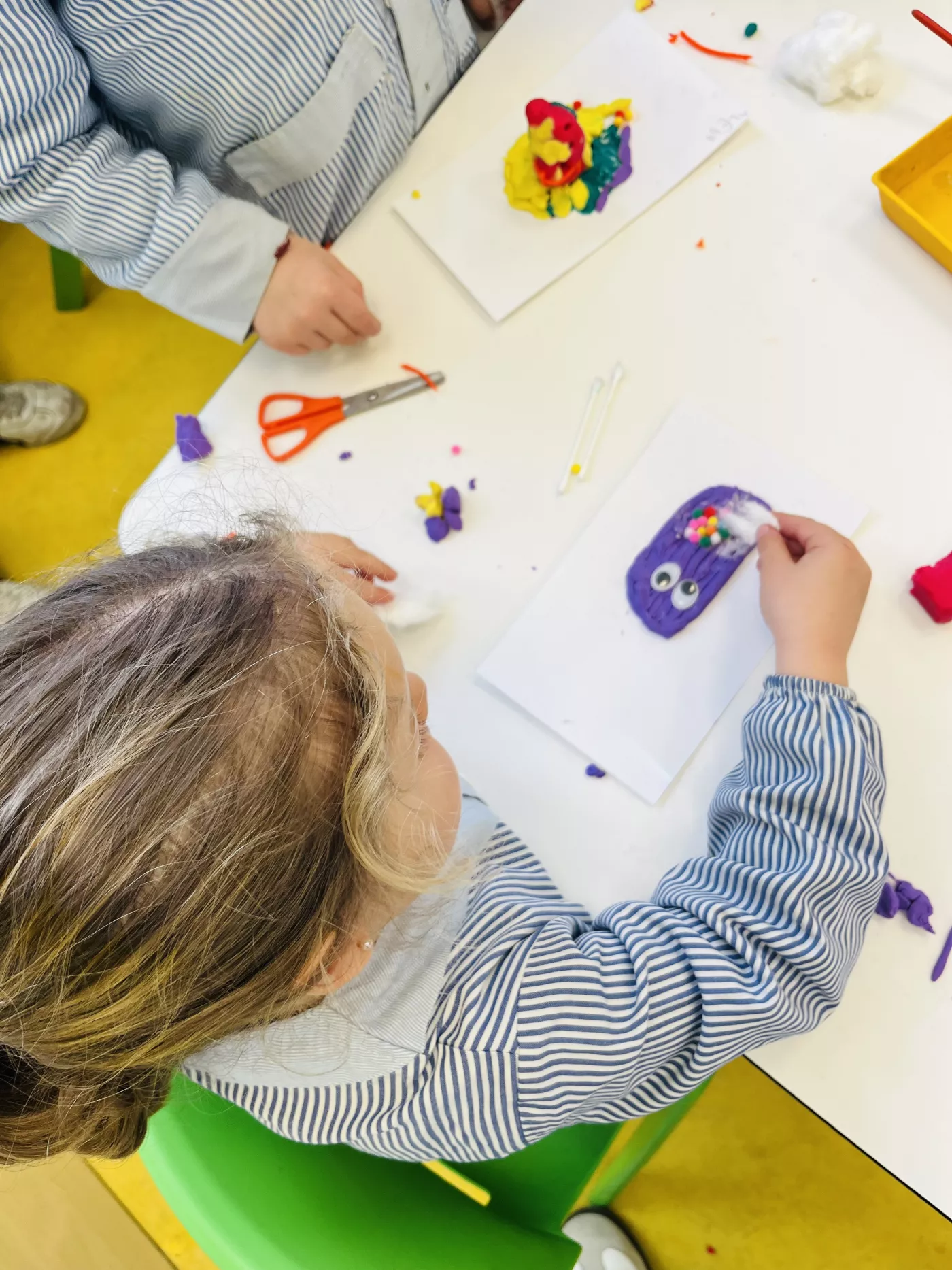
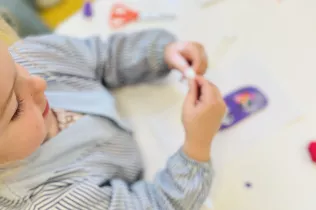
Through classroom conversations, open questions, and plenty of creativity, the children expressed what they imagine microbes look like: big or small, brightly coloured or dark, with legs, eyes, or truly surprising shapes. These representations reveal not only their imagination but also the prior knowledge they bring to the learning process.
The Ant Farm
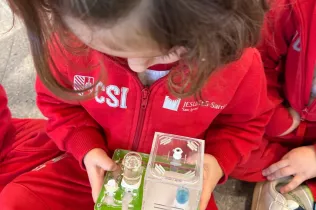
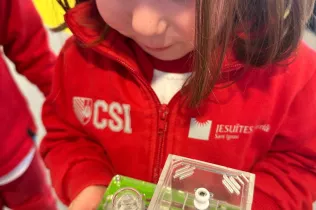
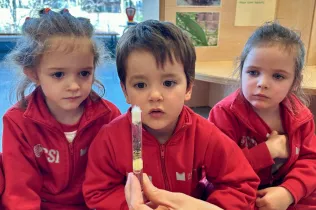
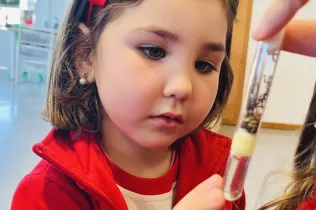
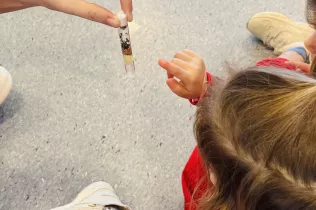
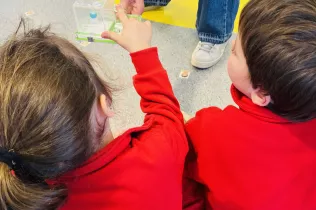
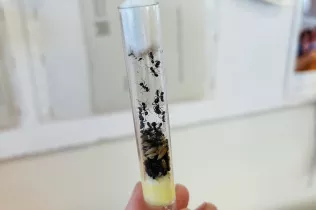
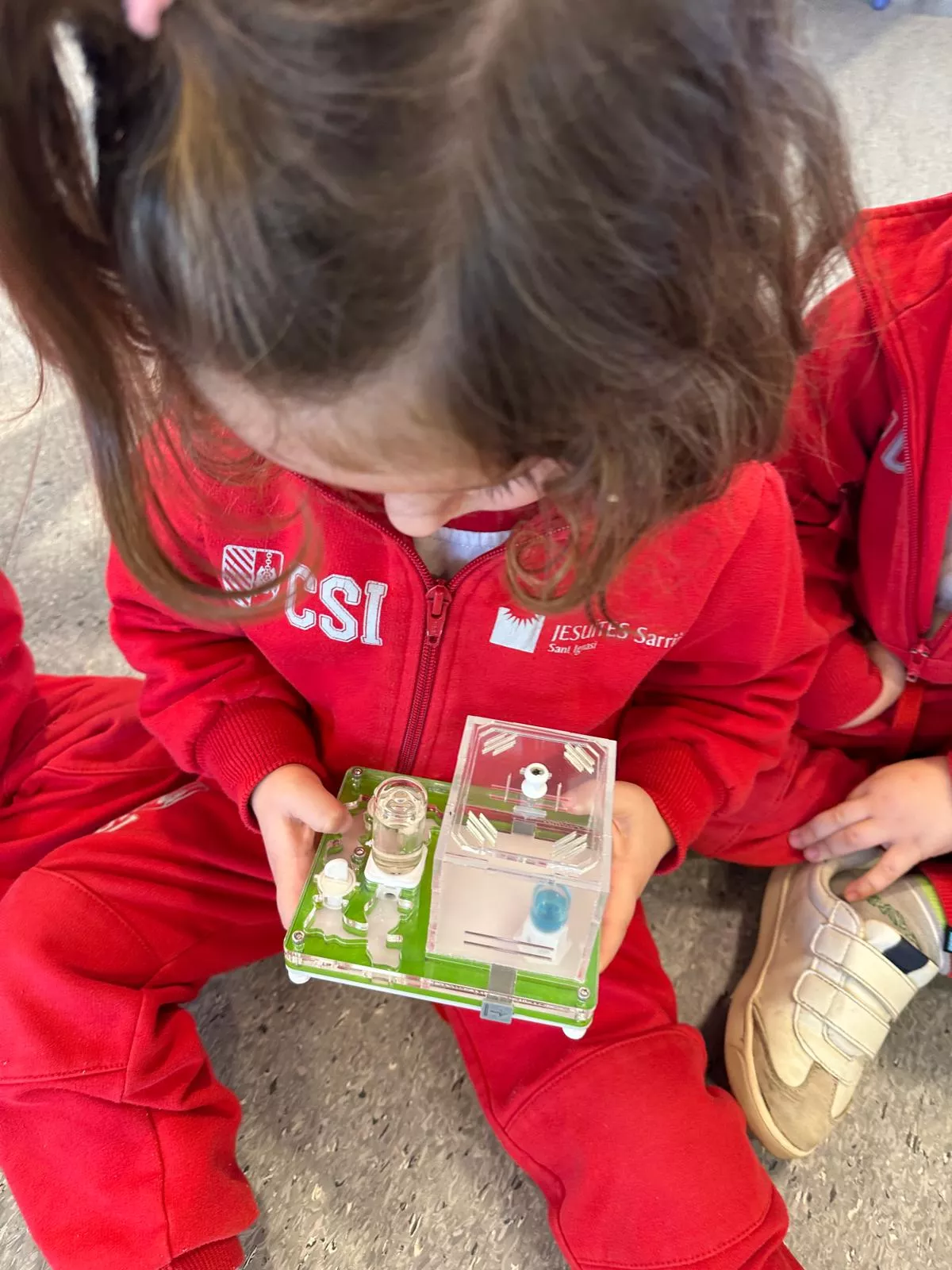
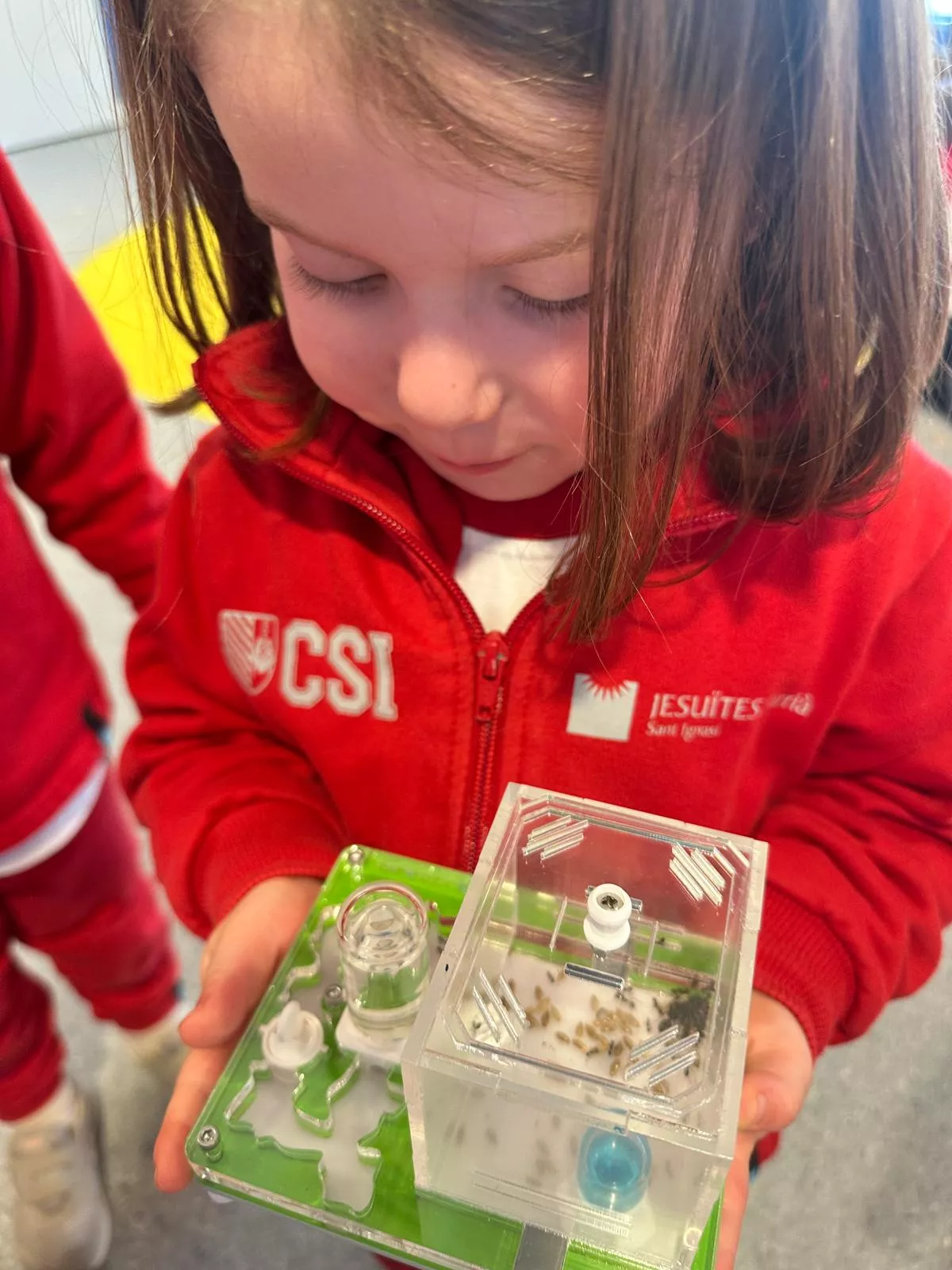
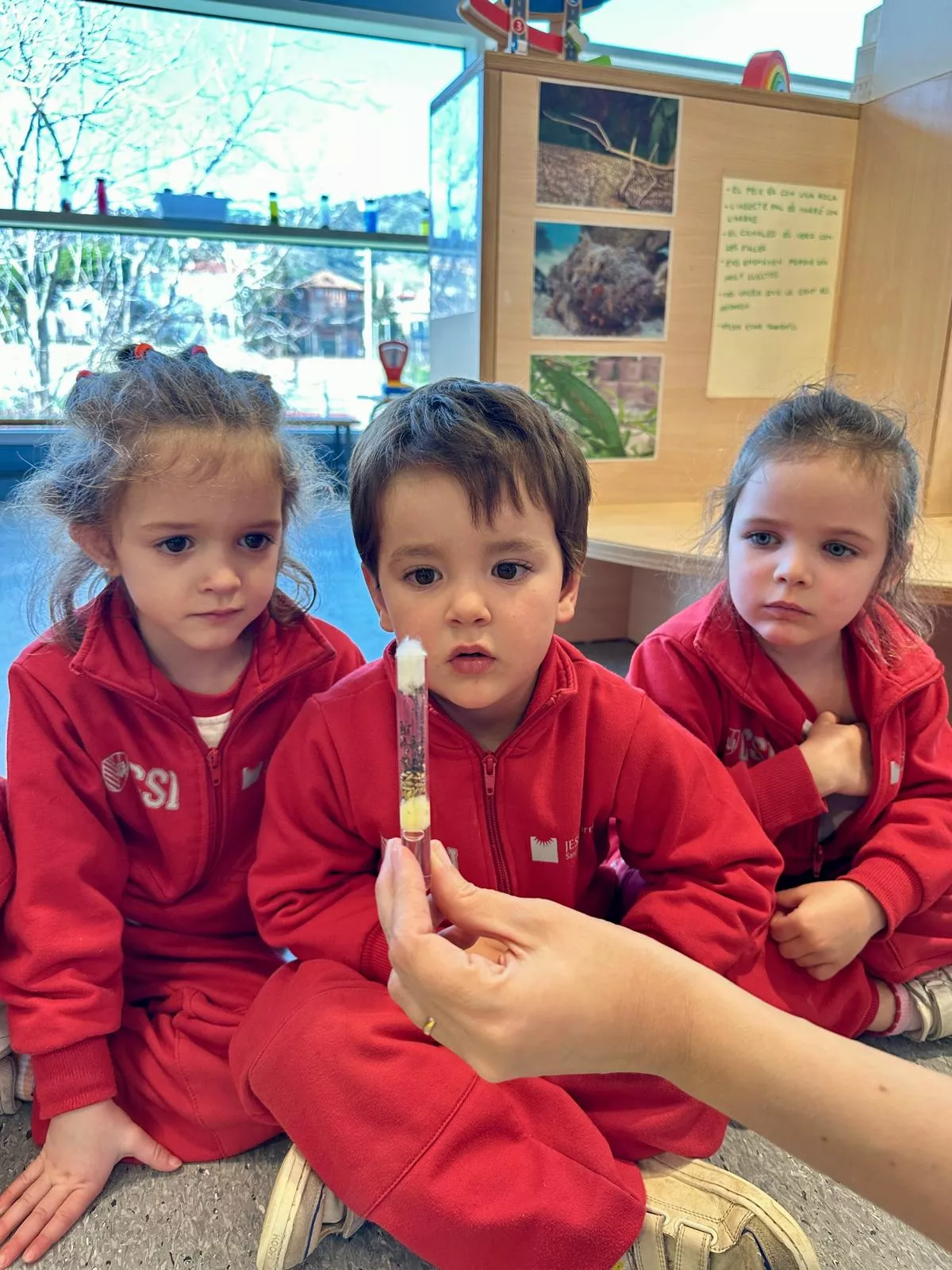
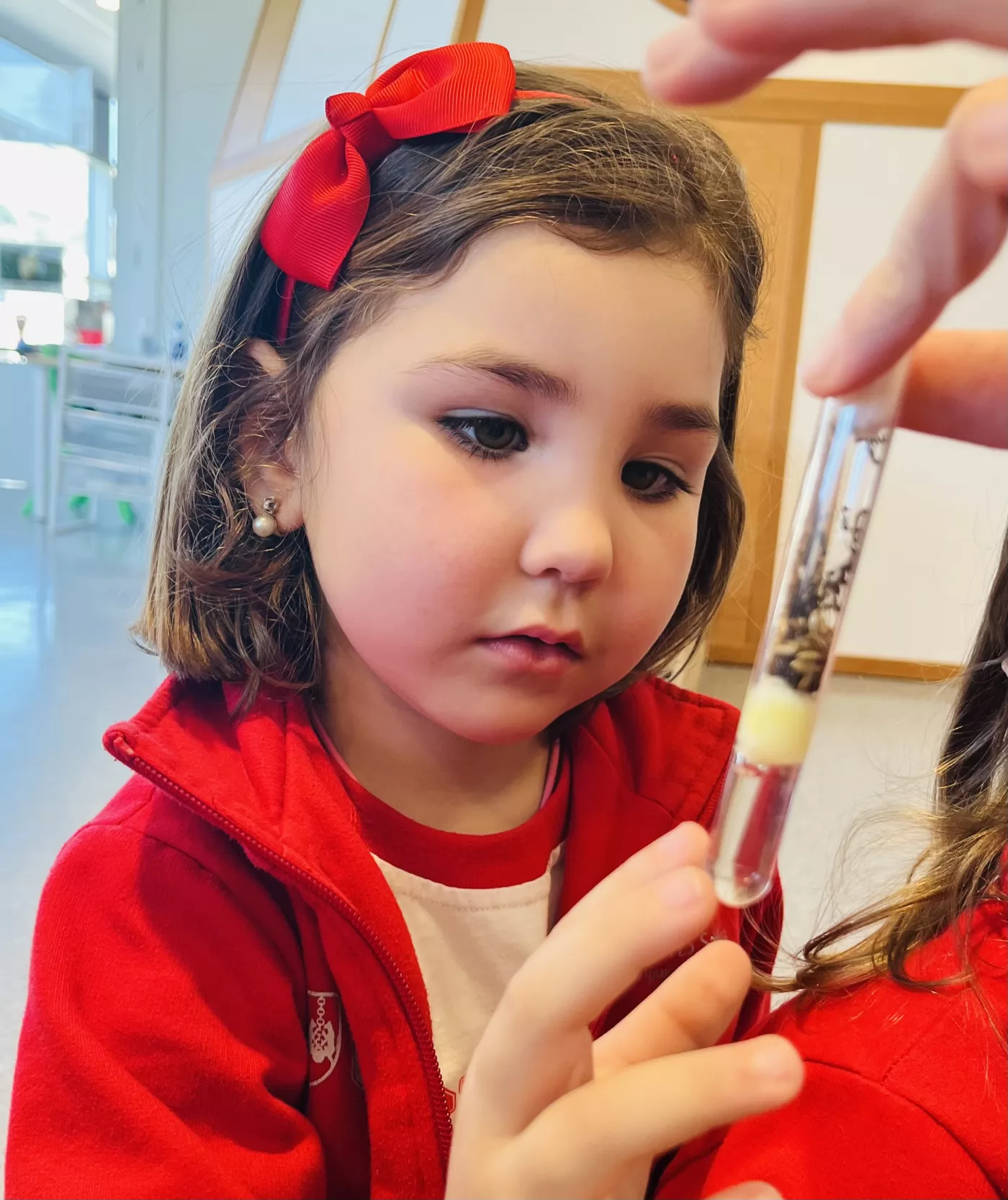
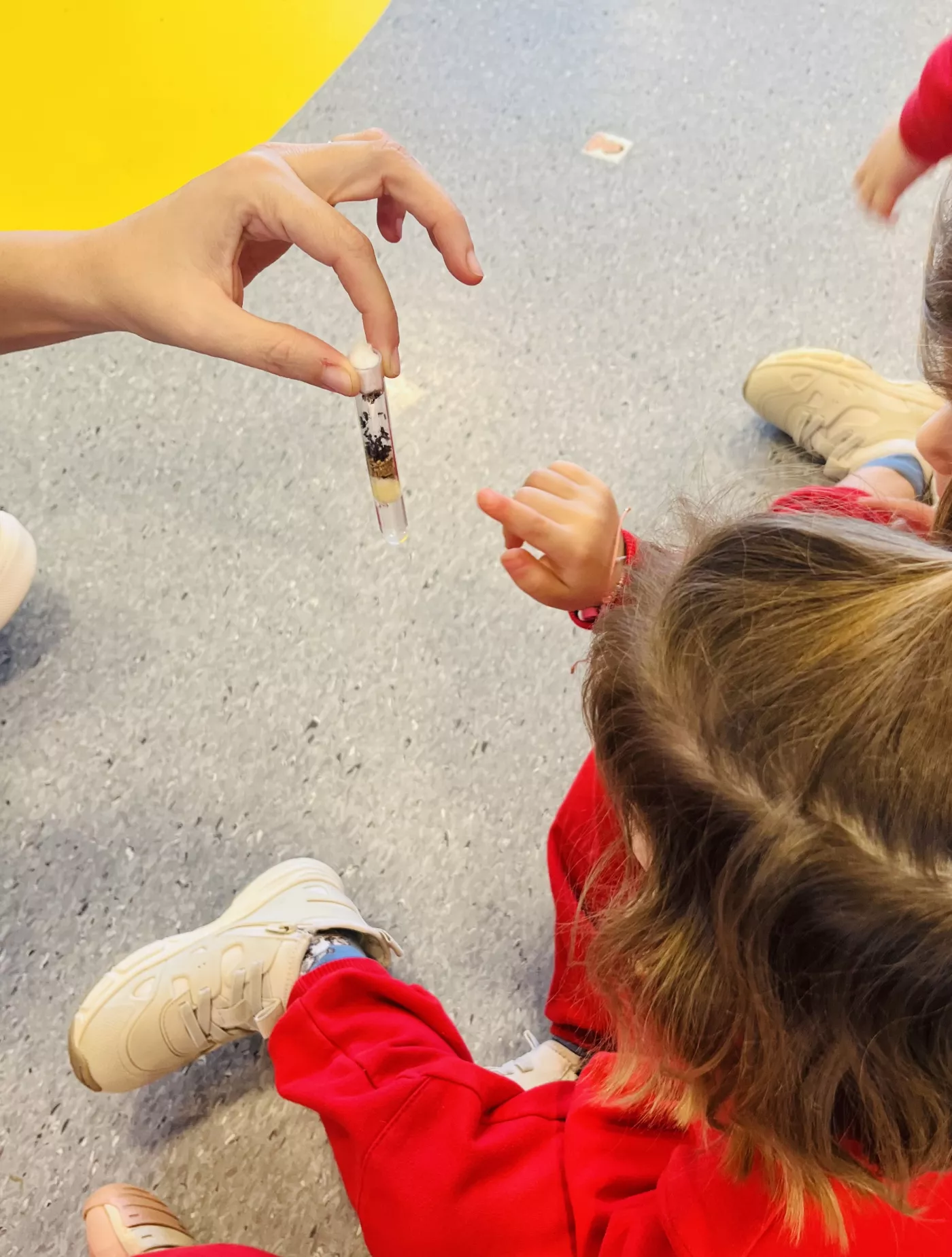
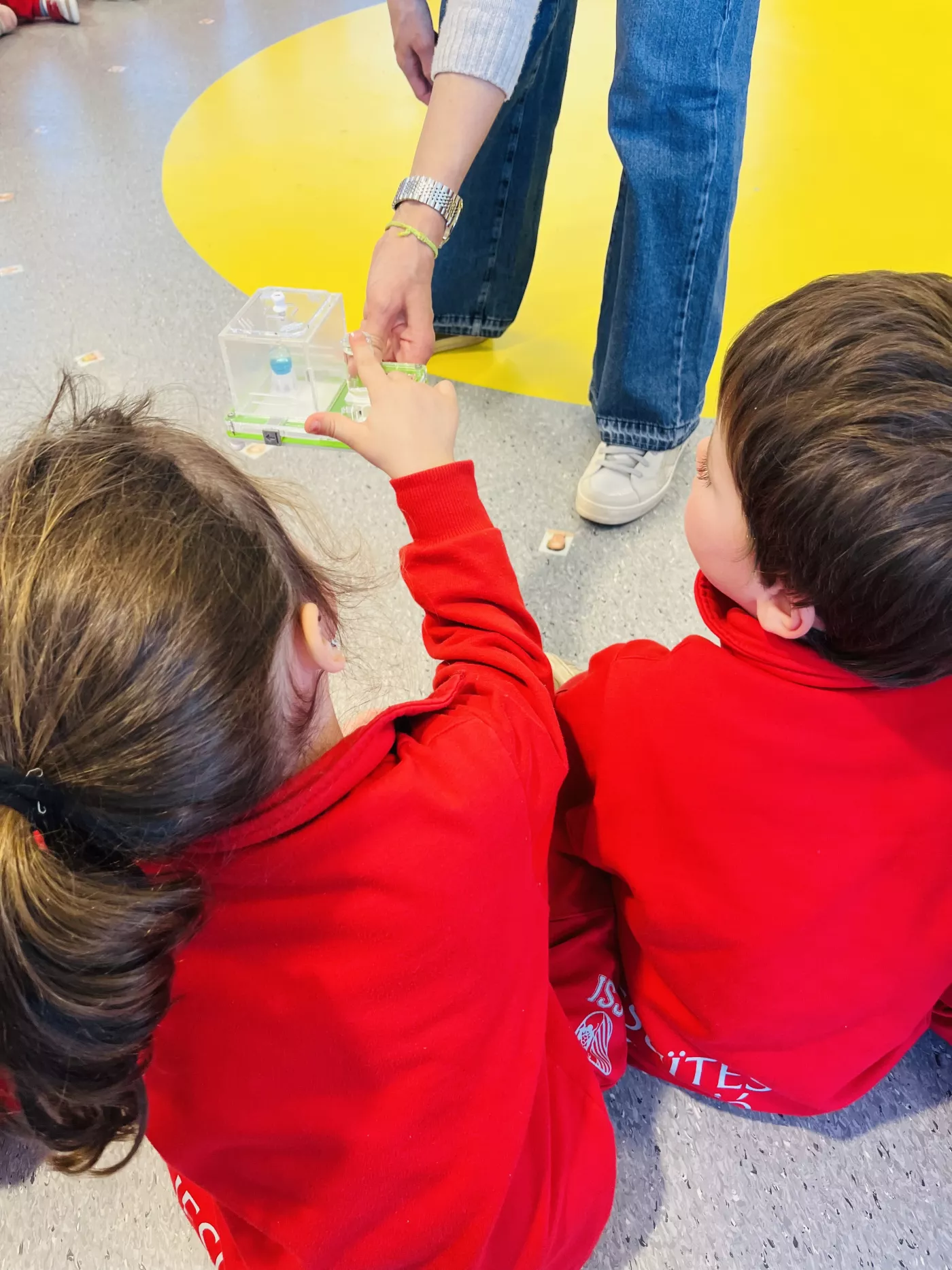
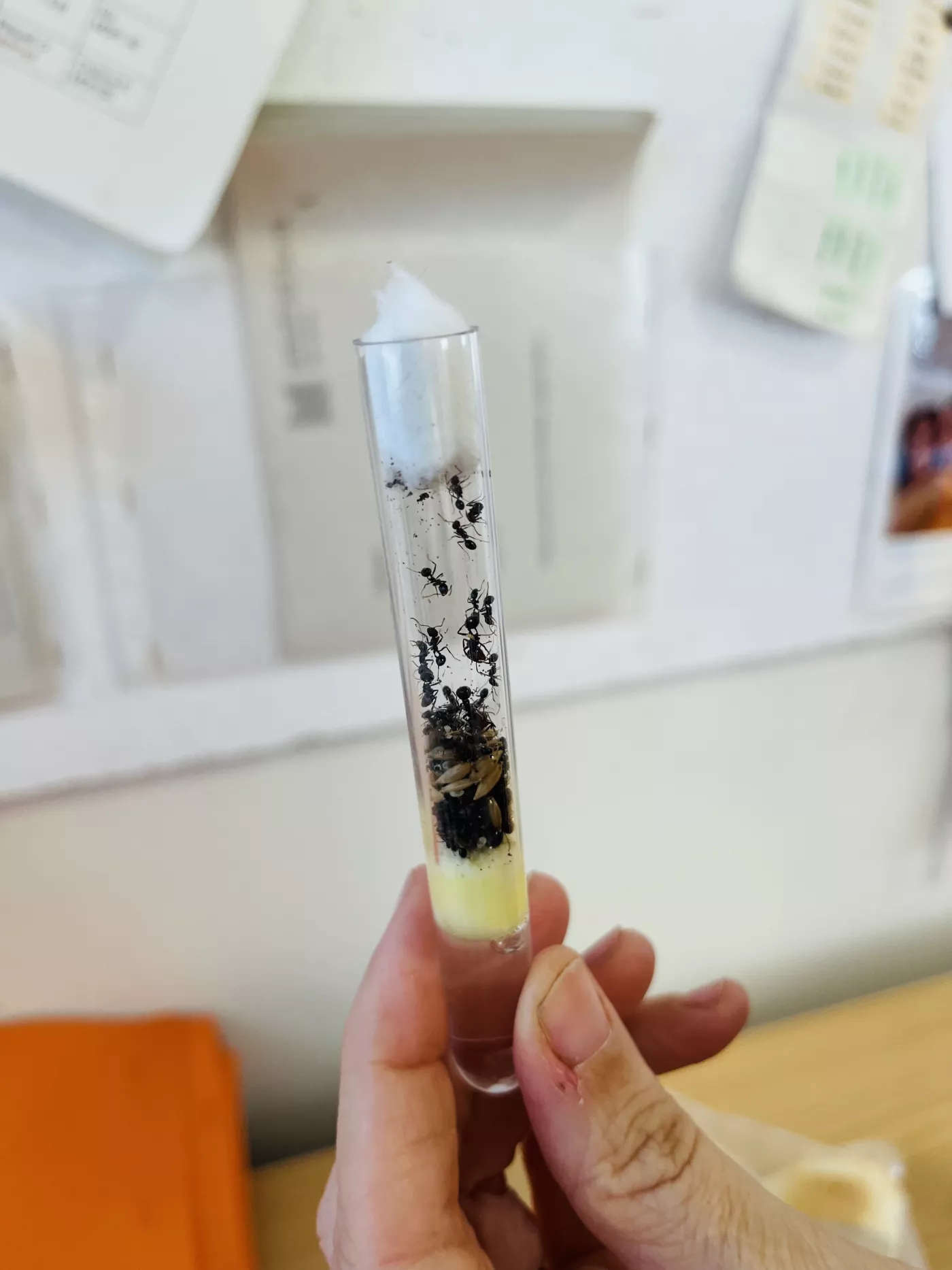
Also within the "Now You See It, Now You Don’t" node, we explore everything that exists but often goes unseen. This time, we are doing so through a very special feature at our school: an ant farm.
The ant farm allows us to get up close to the subterranean world, the burrows, and everything that happens underground. It is a space that is invisible to our eyes as we walk across the playground, yet full of life, movement, and organization. Through direct observation, the children can discover that an entire universe is working in silence beneath our feet.
The ant farm thus becomes a powerful pedagogical tool for understanding that not everything important is visible, yet it exists and serves a purpose.
We are learning to look beyond the obvious, to observe calmly, and to discover that the world is full of hidden realities worth knowing.