March
25th,
2026
Auschwitz Experience: On whose behalf do I want to live?
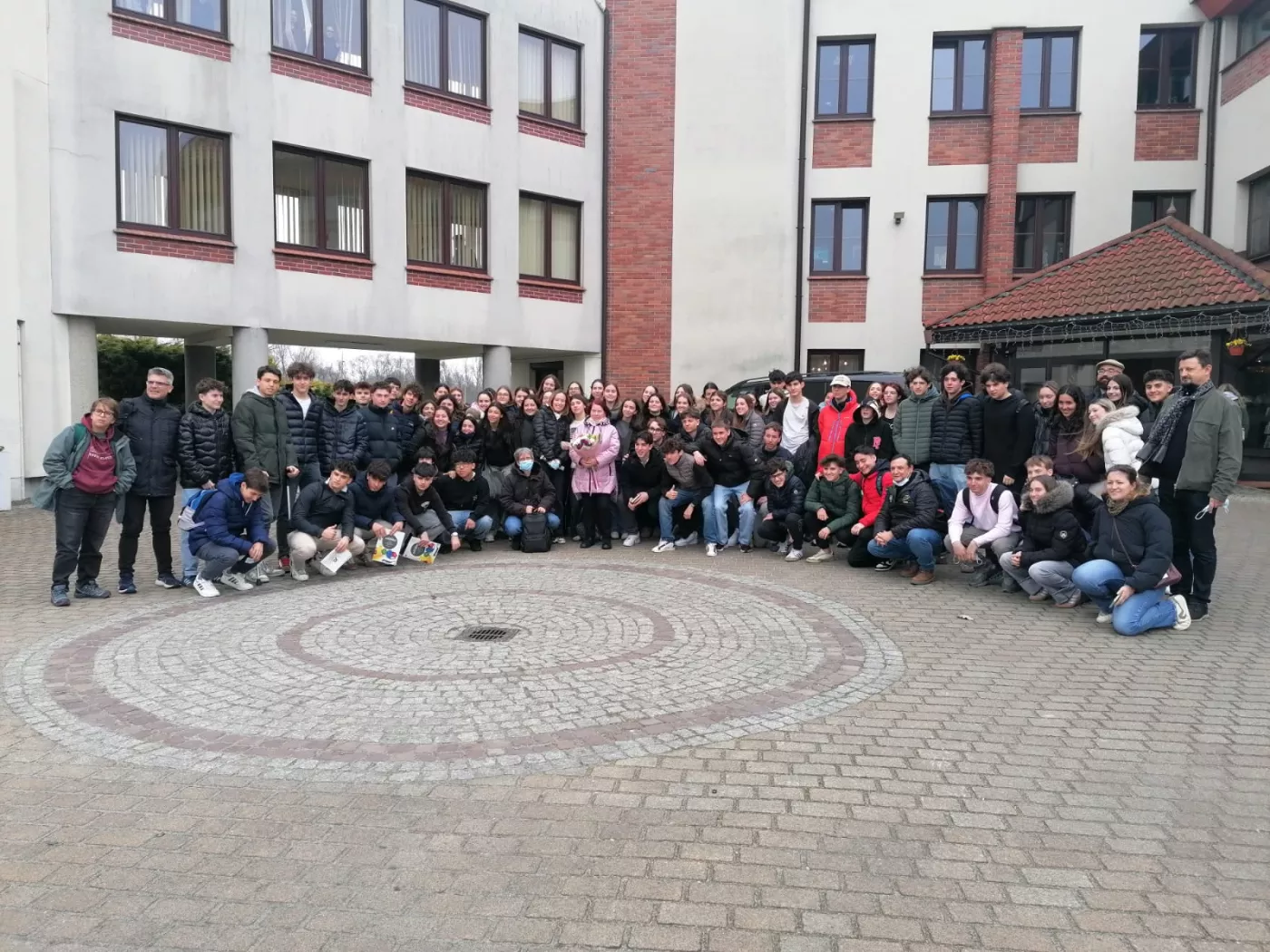
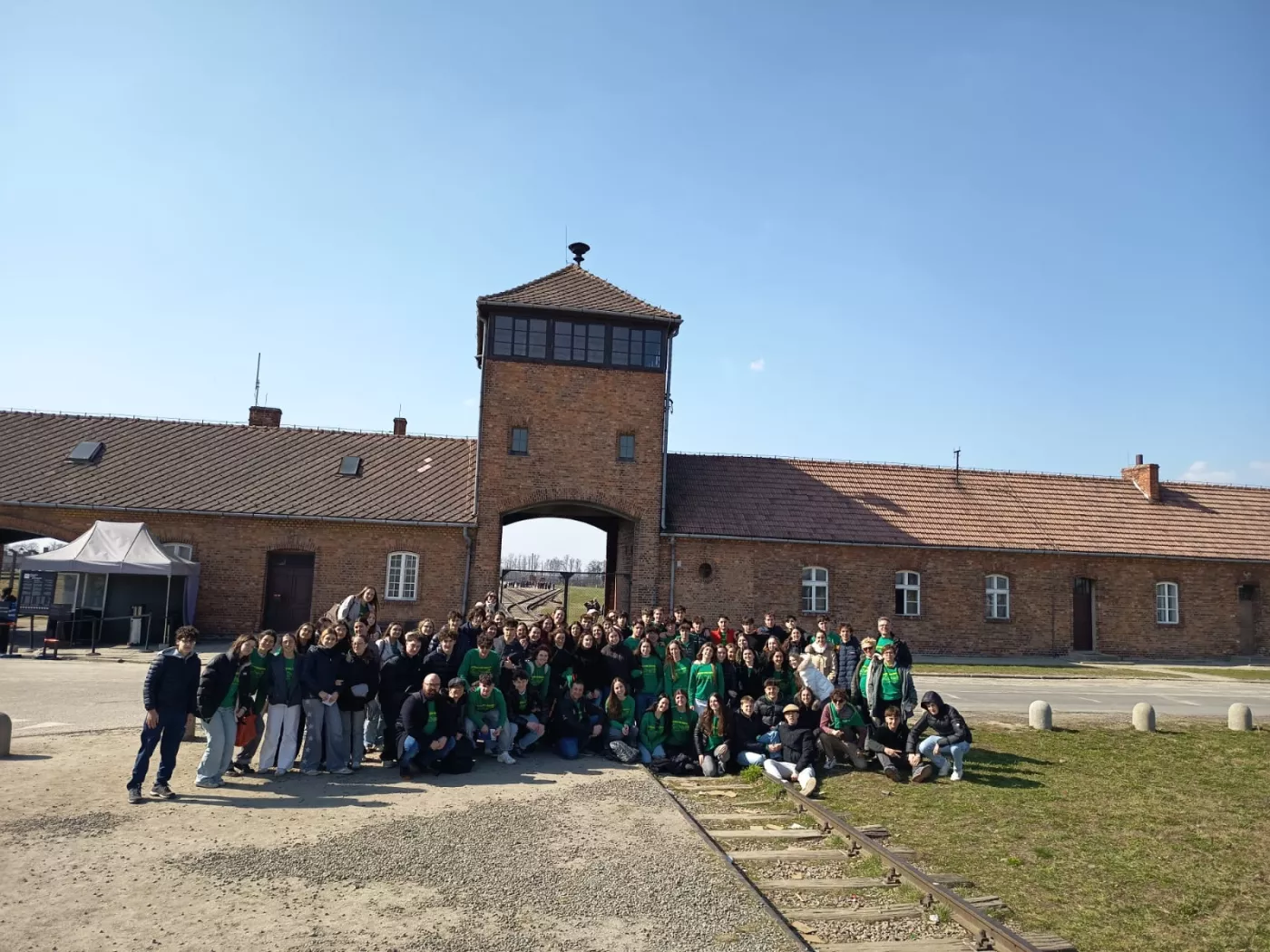
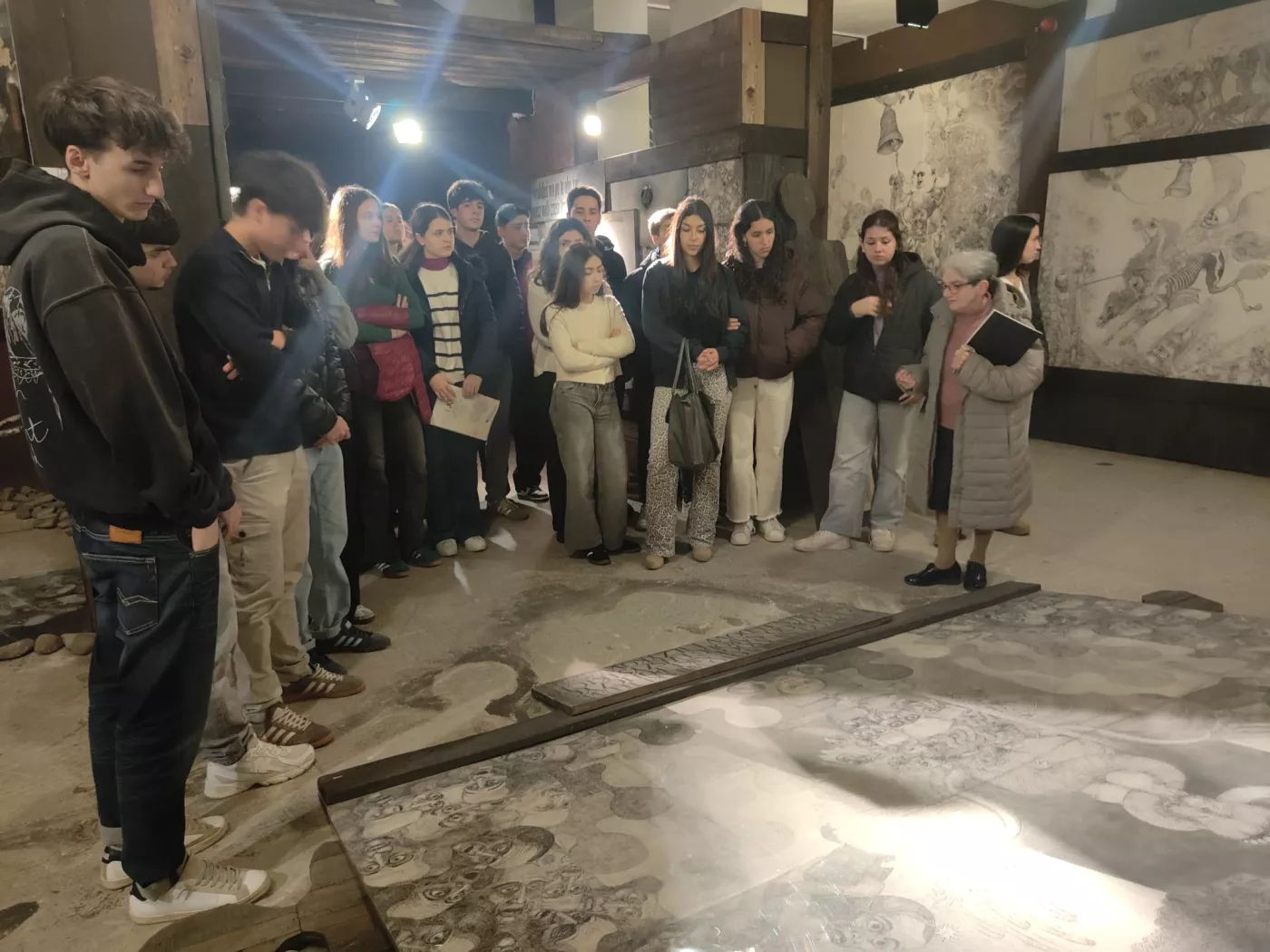
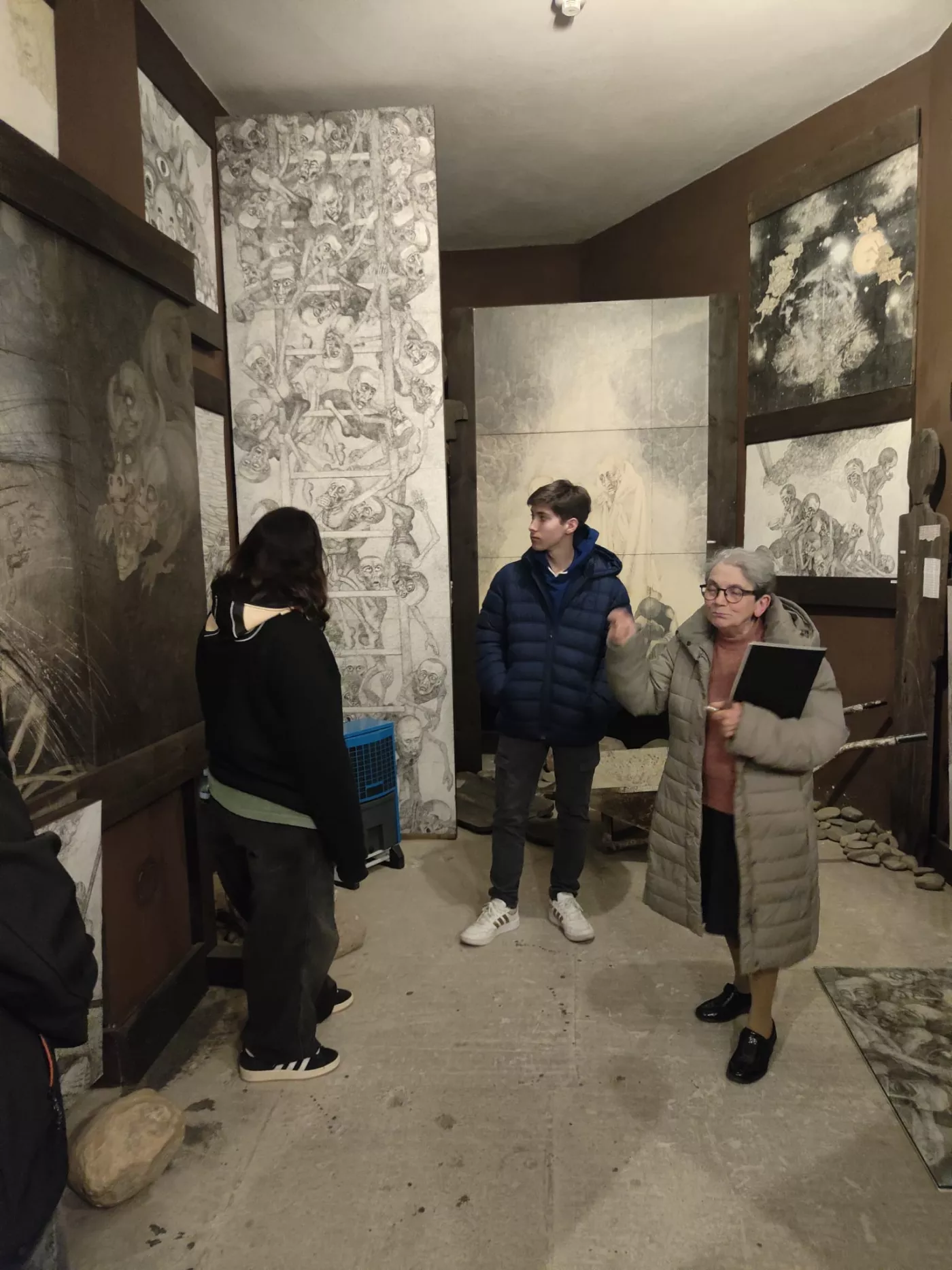
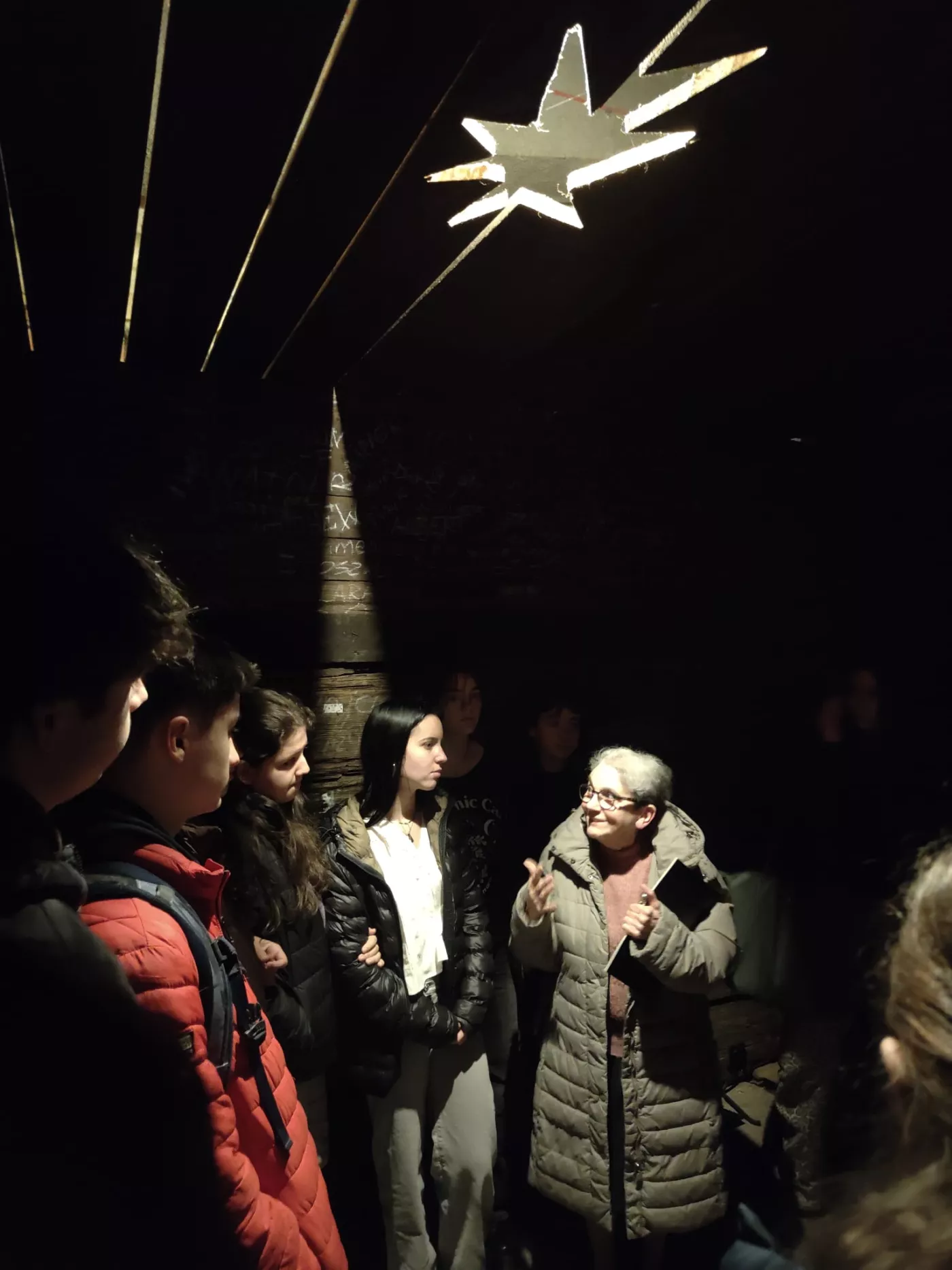
We have once again gone to Auschwitz with our Year 1 Upper Secondary students.
For the last few years we have been offering the Auschwitz Experience as a Pastoral proposal of Jesuïtes Educació to Year 1 Upper Secondary students.
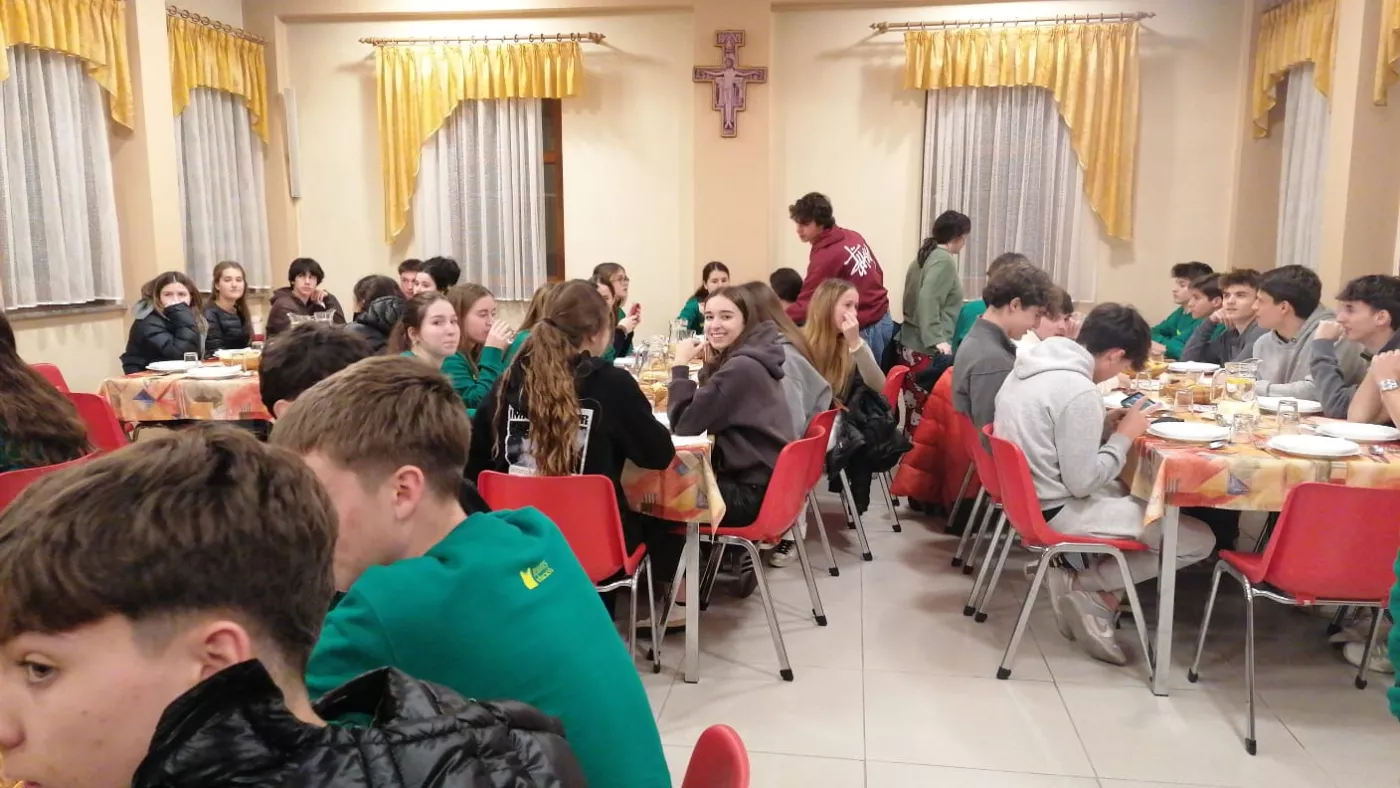
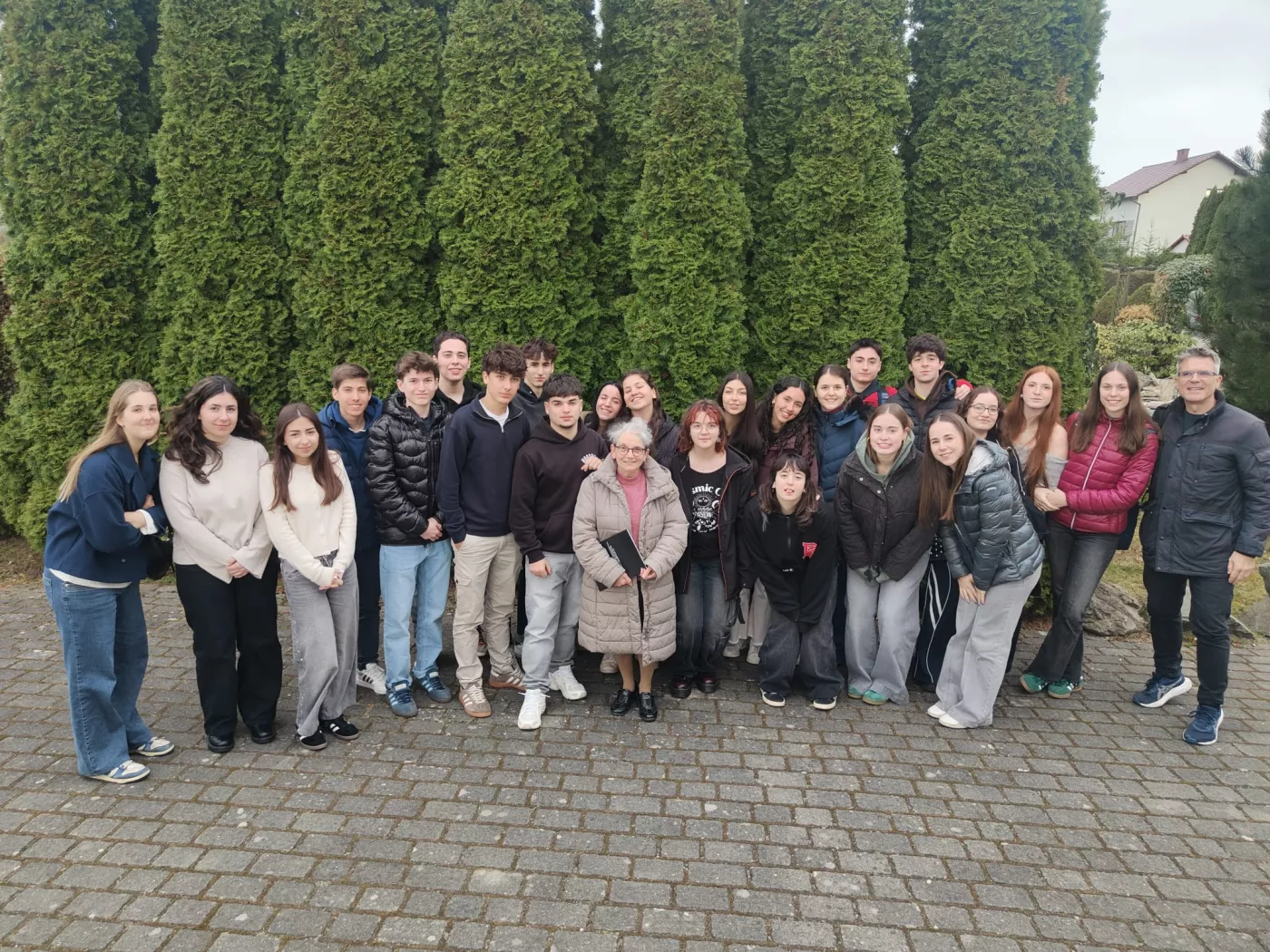
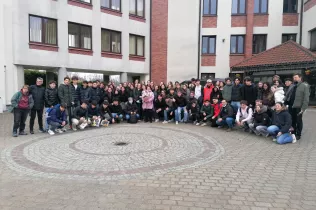
This year, 24students from the first year of Upper Secondary took part in this experience, accompanied by a tutor from the school together with other students from Jesuïtes Educació schools.
Image
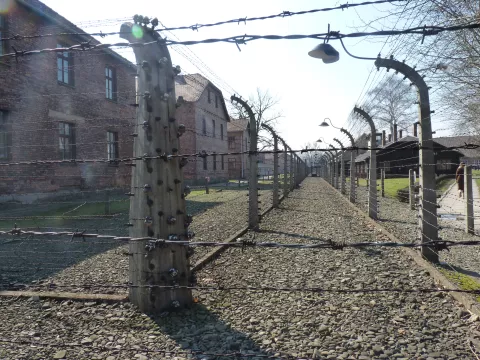
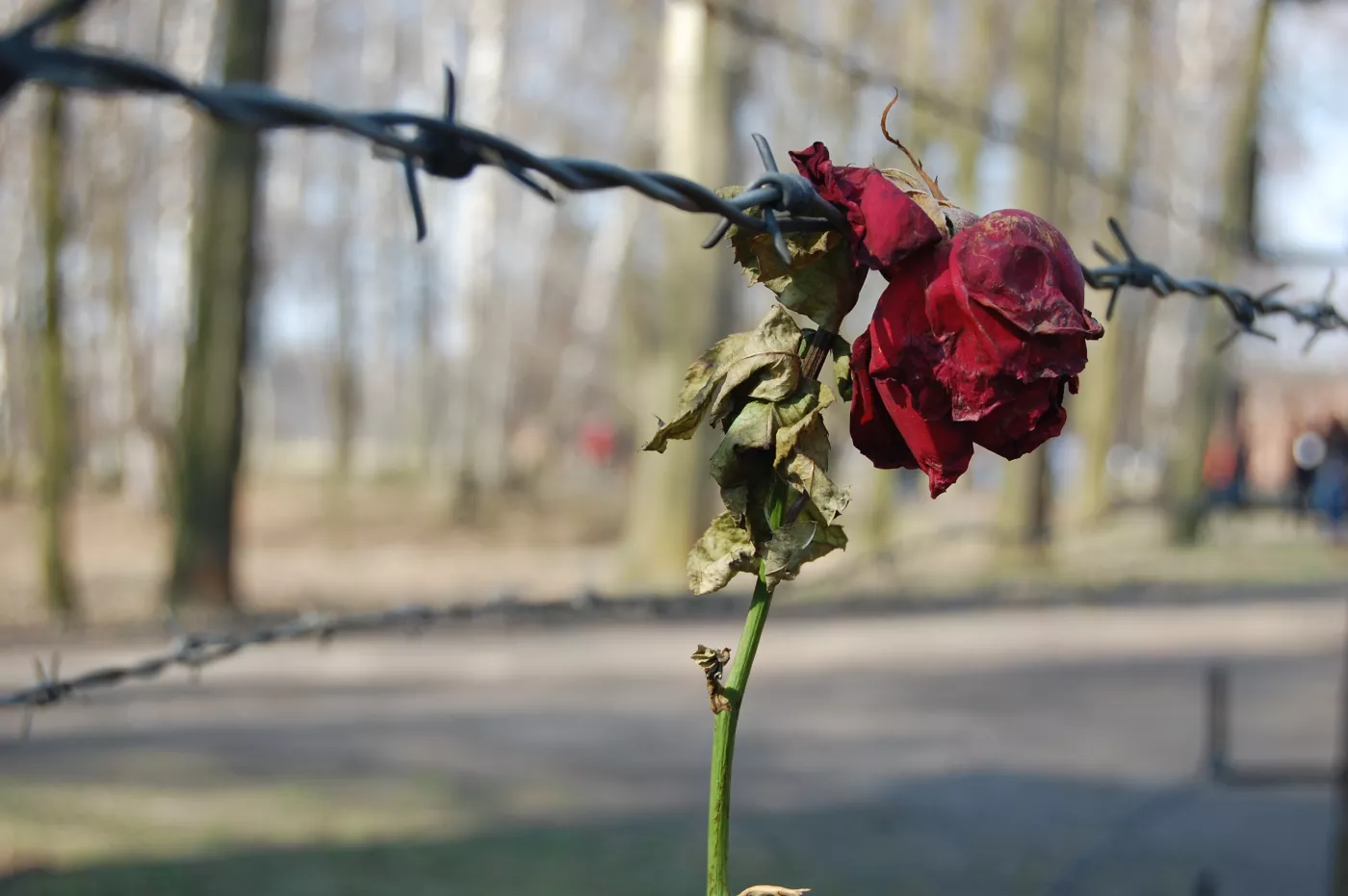
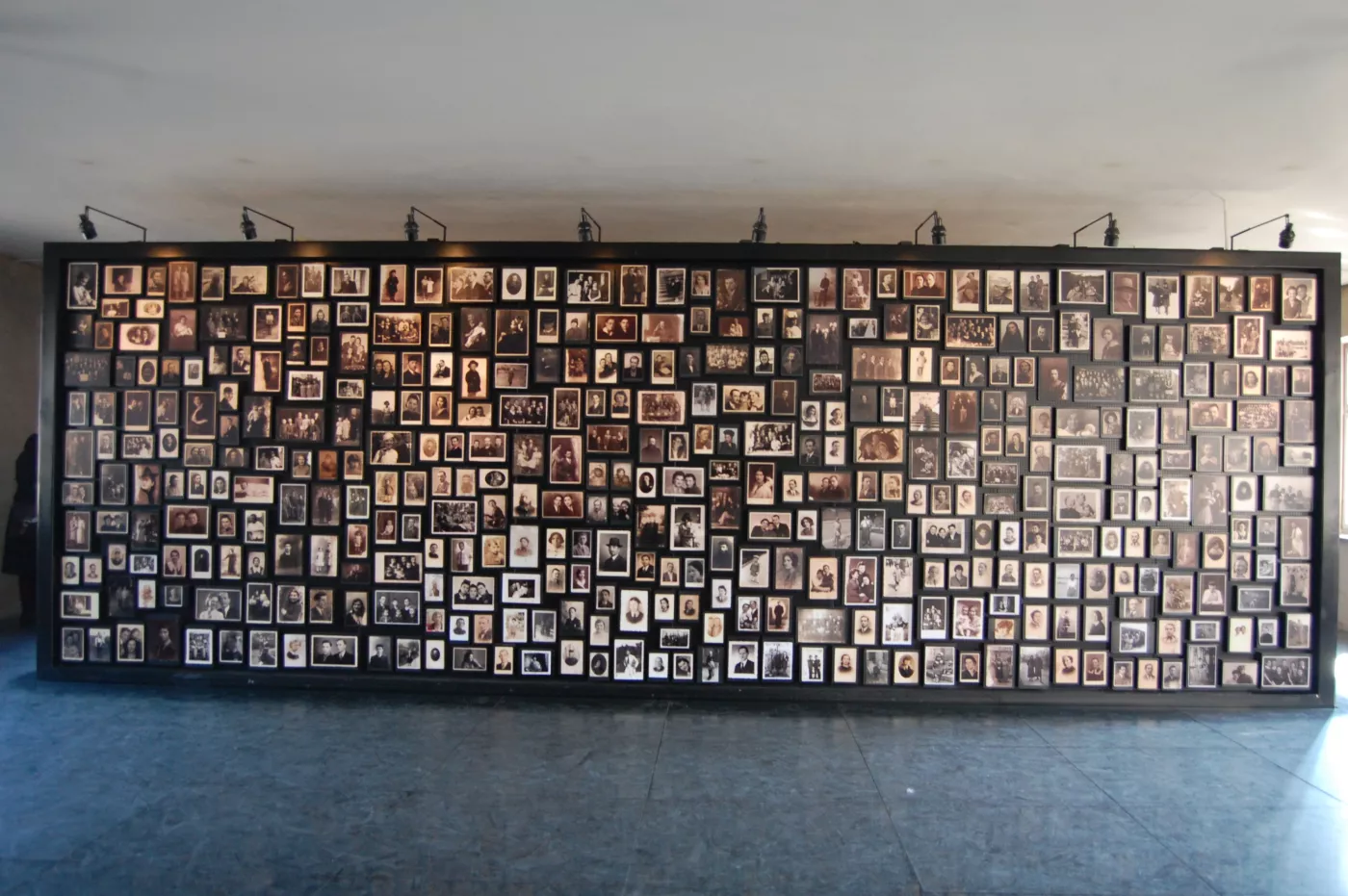
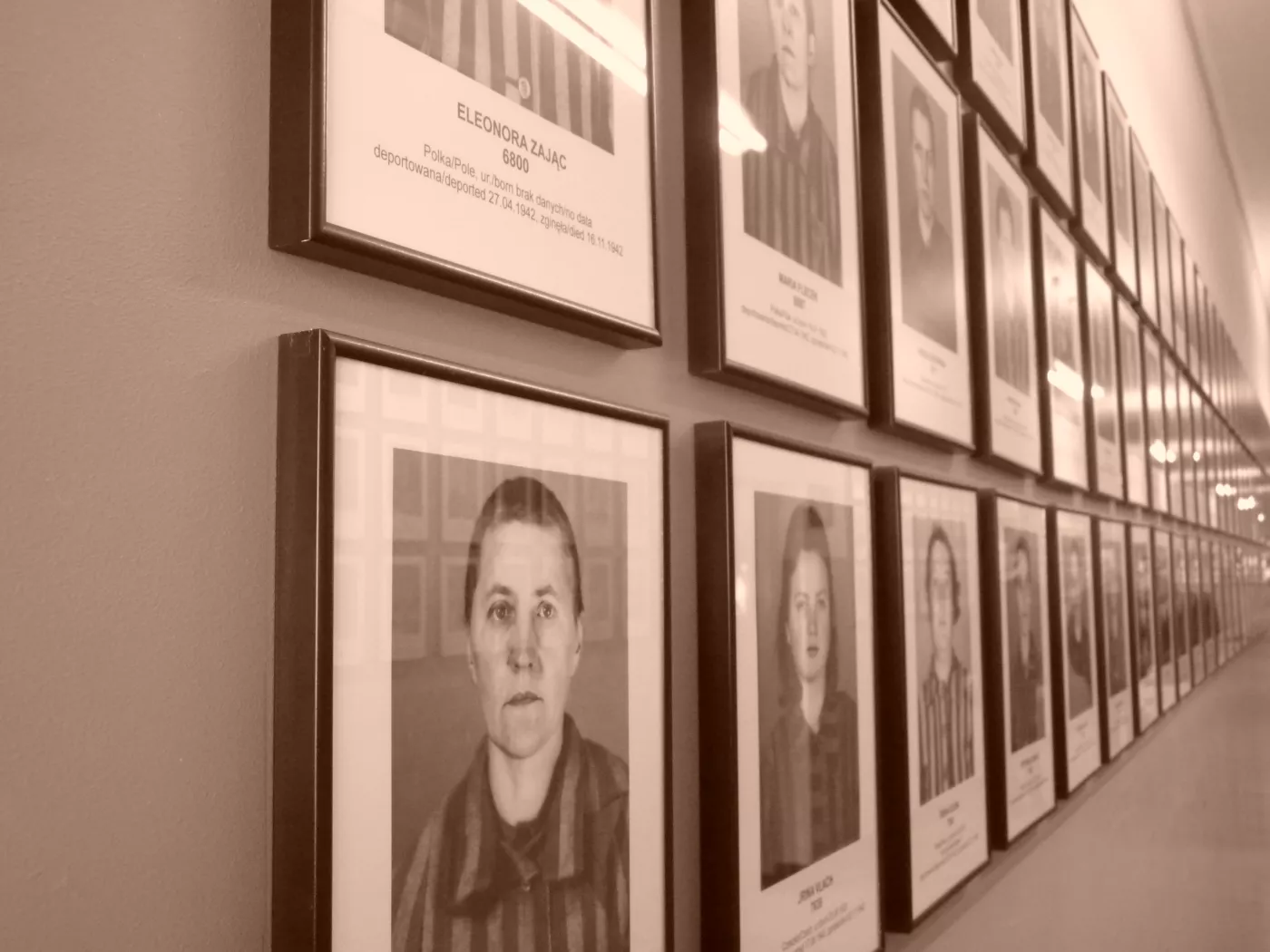
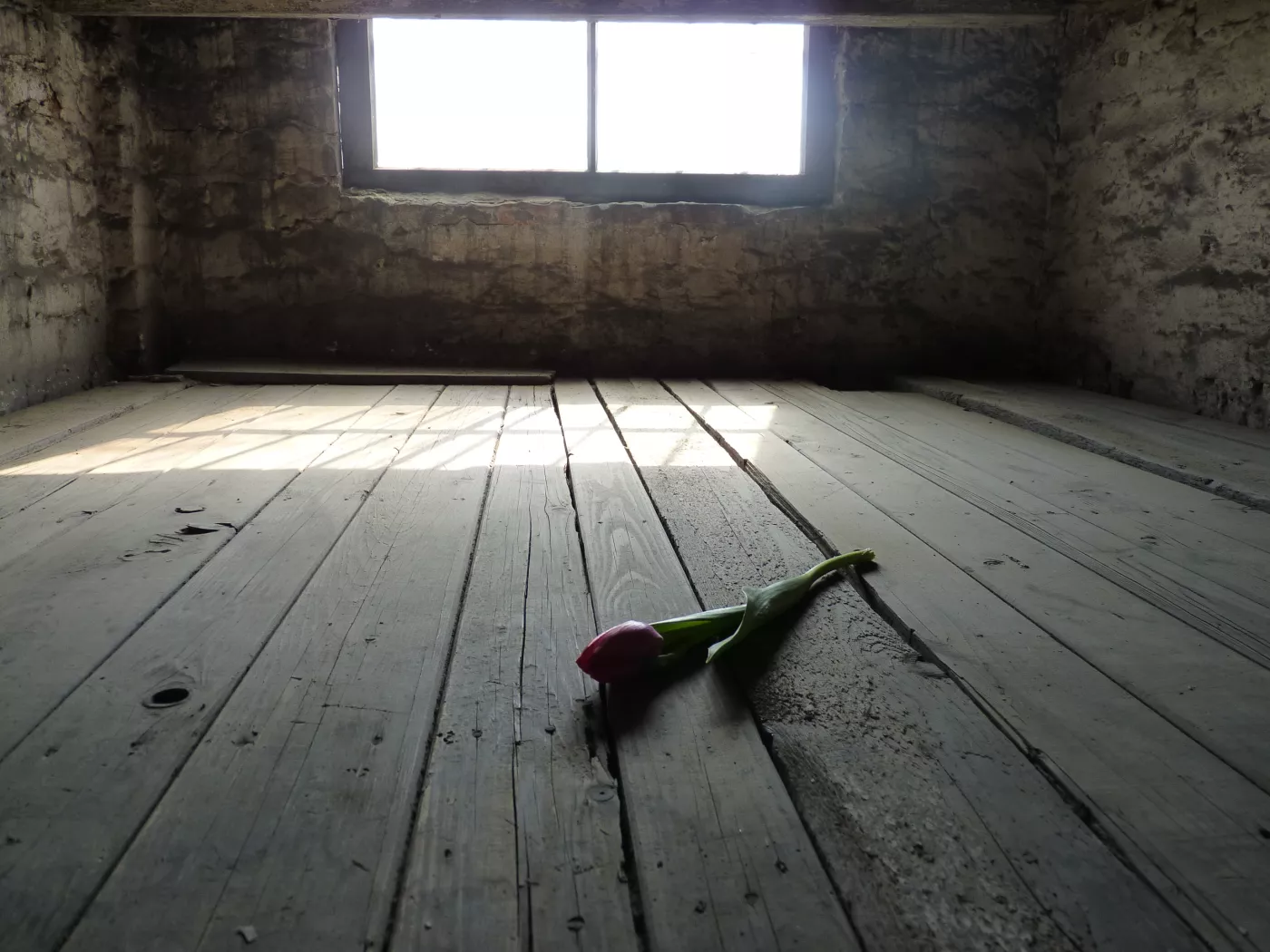
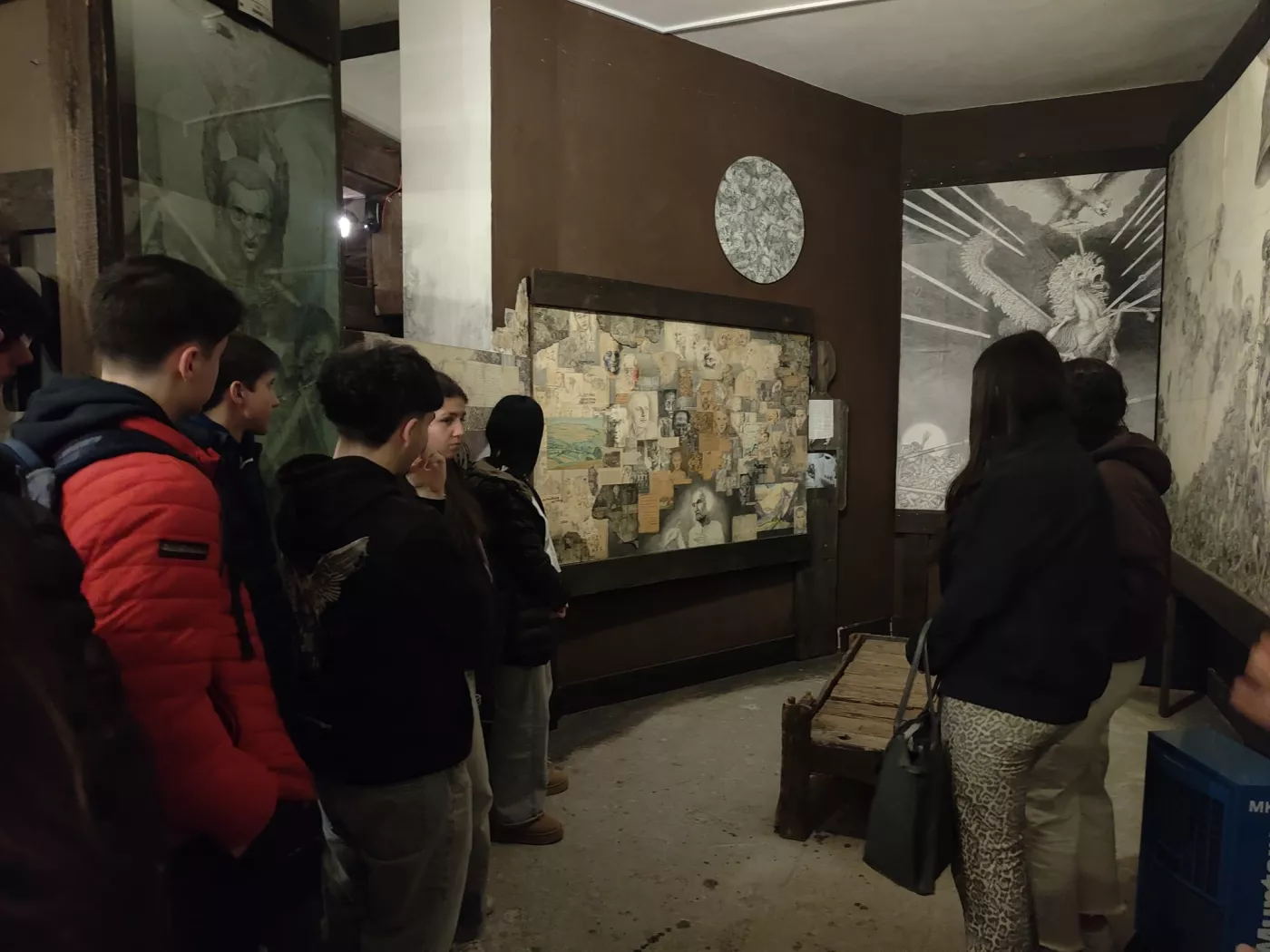
The Jesuit schools in Catalonia have once again gone to Auschwitz with our Year 1 Upper Secondary students. This moving and transformational experience is part of our educational commitment to historical memory, human rights and building a fairer and more supportive world. Supporting the young people on this journey helps them to grasp the consequences of hatred and intolerance and reaffirm their commitment to peace, dignity and justice.
As schools, we take up the challenge of learning from history and remembering the gravity of some of the most recent events in European history. There are fewer and fewer living witnesses who can talk about what happened in Auschwitz. However, we are convinced that visiting the sites of the Holocaust can help to raise the awareness of the new generations.
Our goal is to foster remembrance of these places while conveying their profound meaning and revealing the reality of the evil human beings can engender when certain conditions are met. In the age of social media when hate speech often thrives under the cover of anonymity, it is essential to also adapt our educational approach.
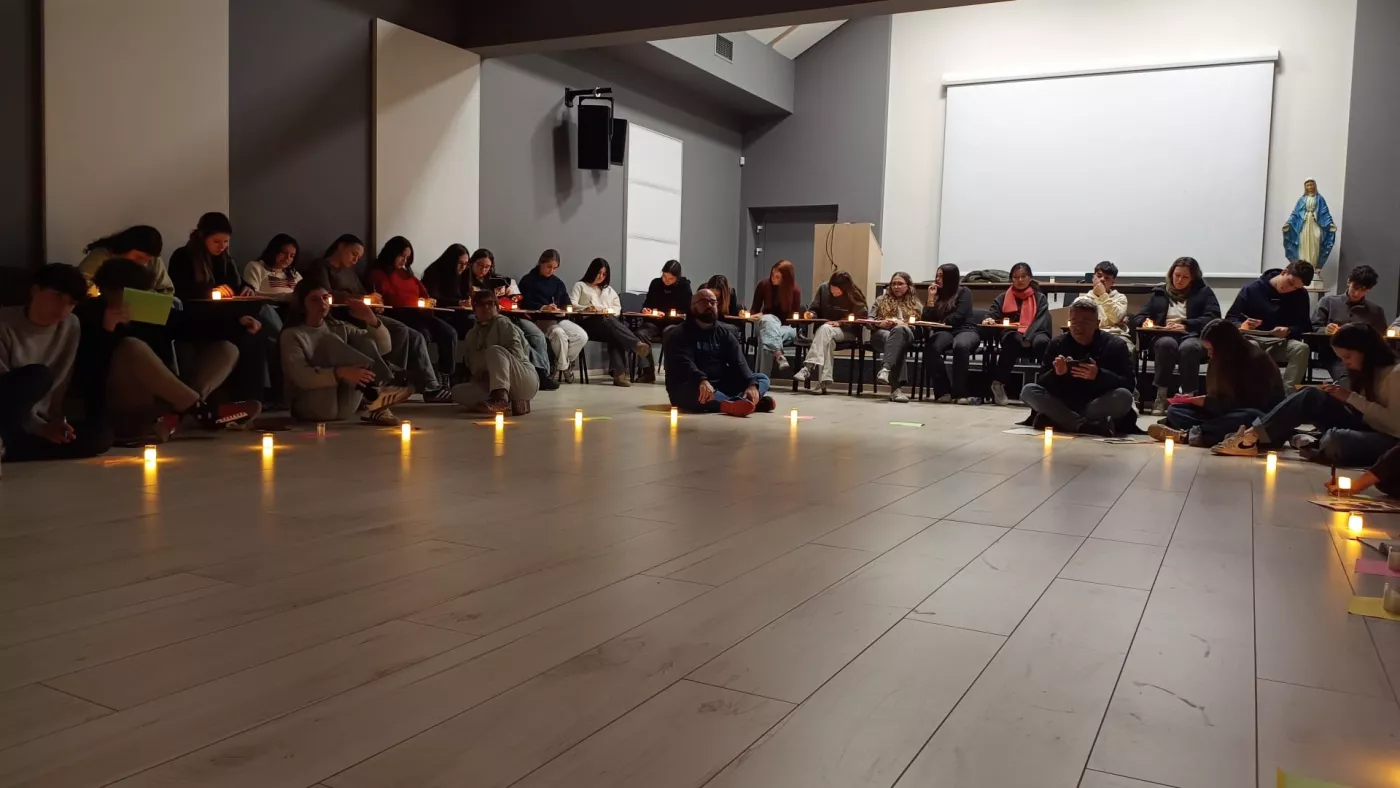
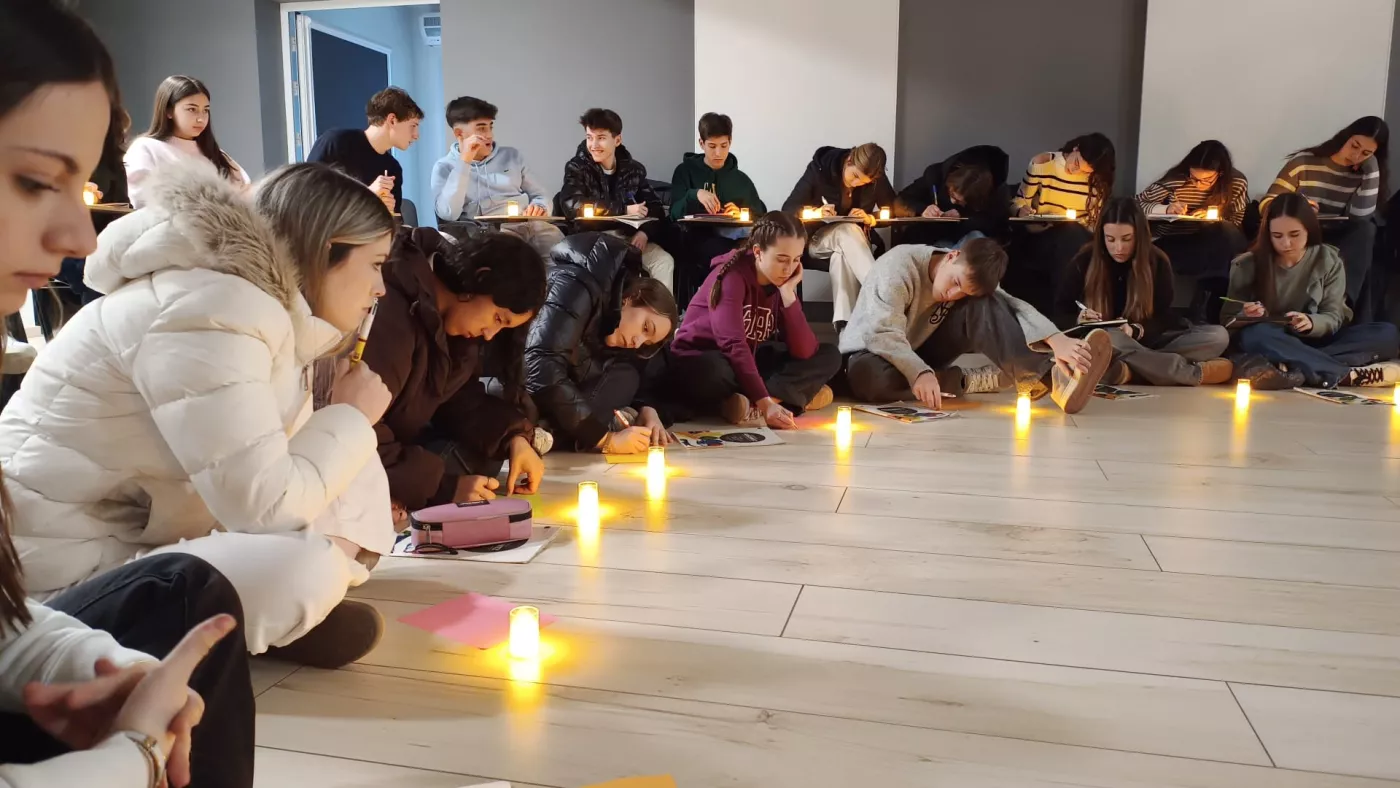
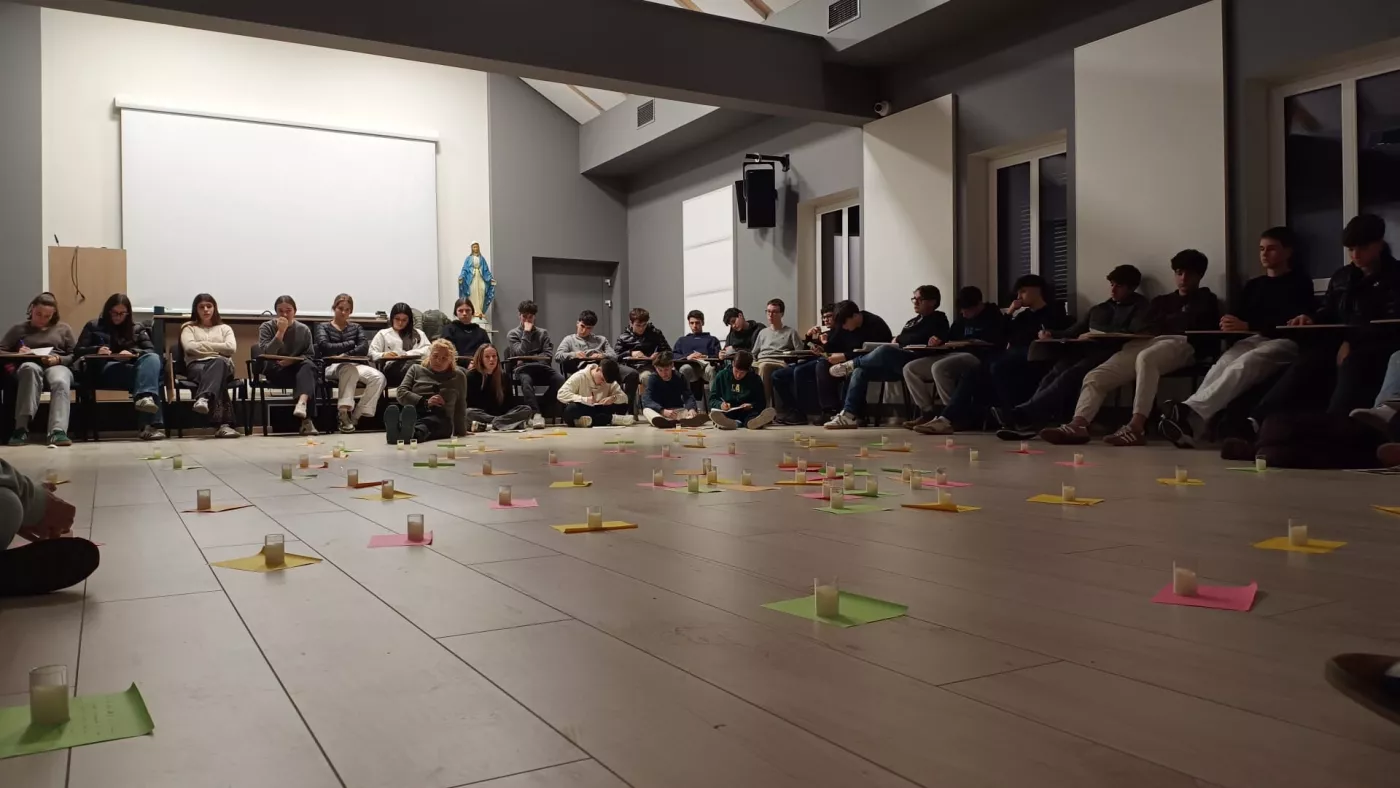
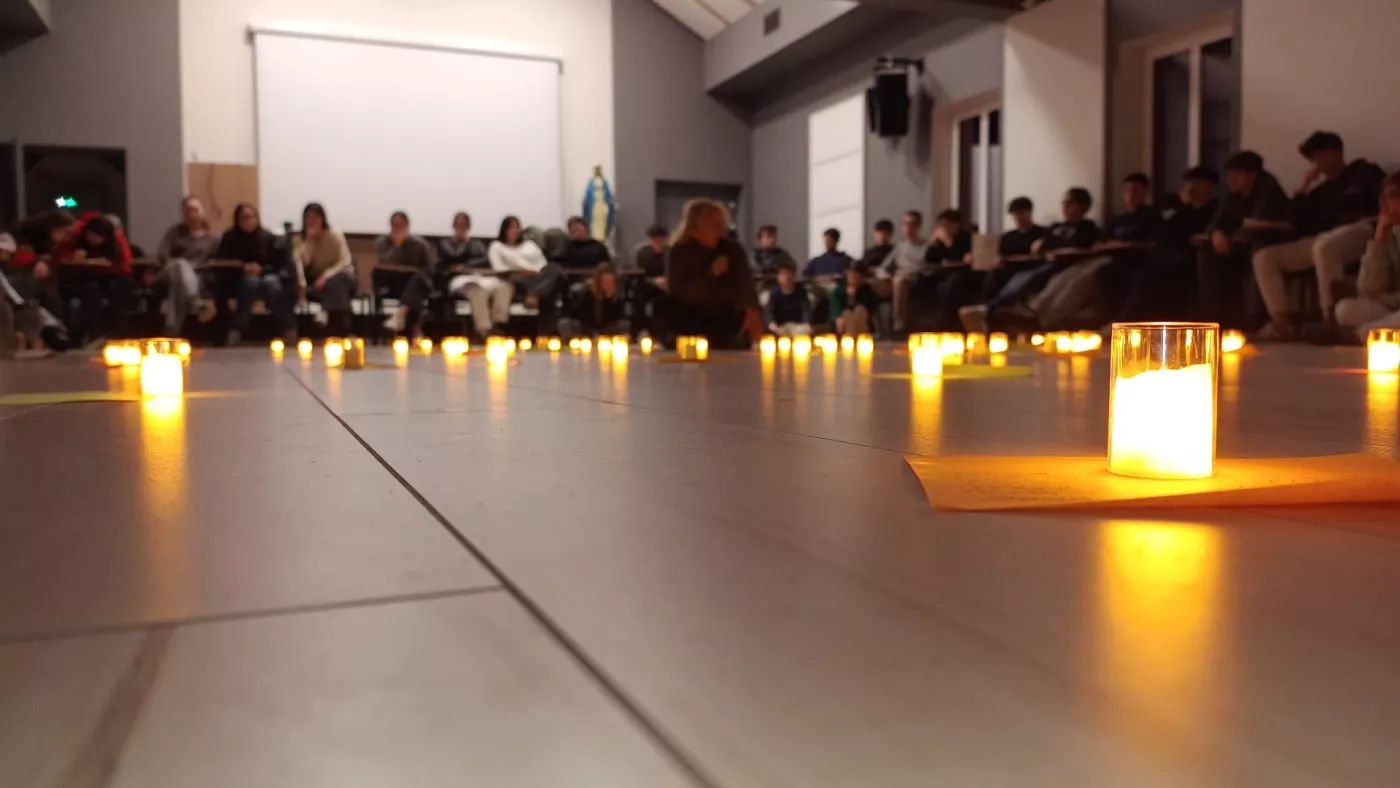
This personal experience asks students how to place themselves in the world by asking the question 'On whose behalf do I want to live?'

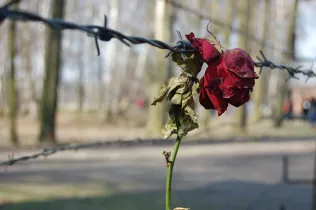
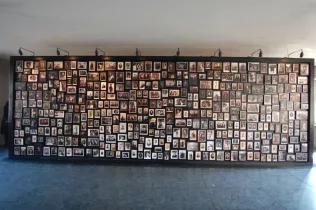
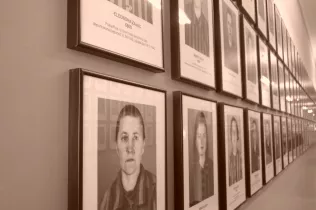
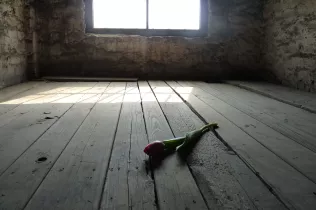

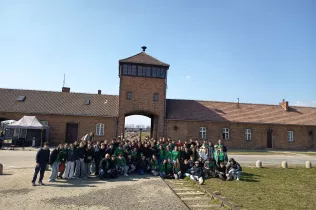
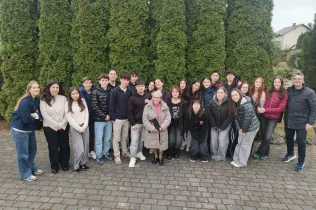
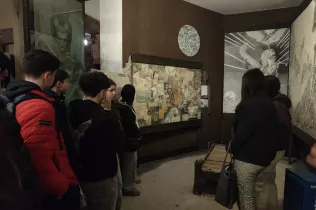
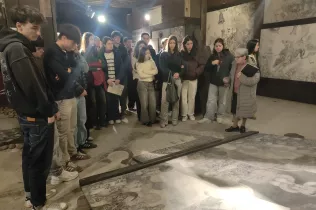
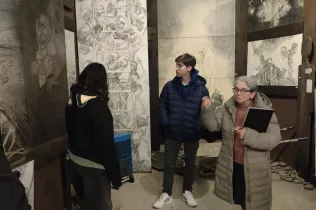
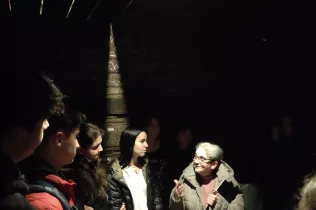
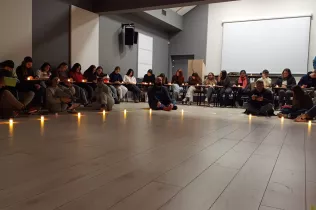
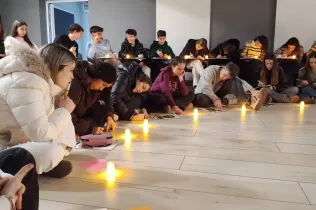
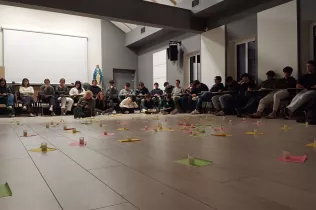
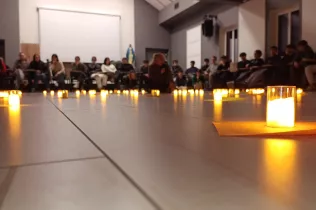
The experience at Auschwitz seeks to foster a critical view of injustices and reinforce values such as human dignity, solidarity and respect.
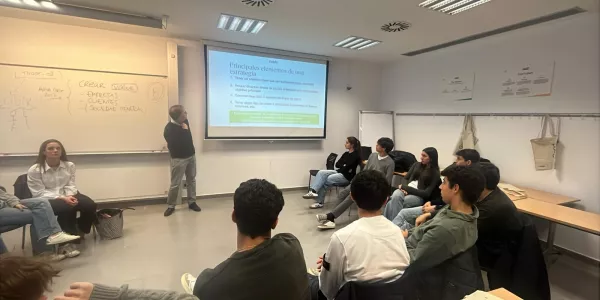
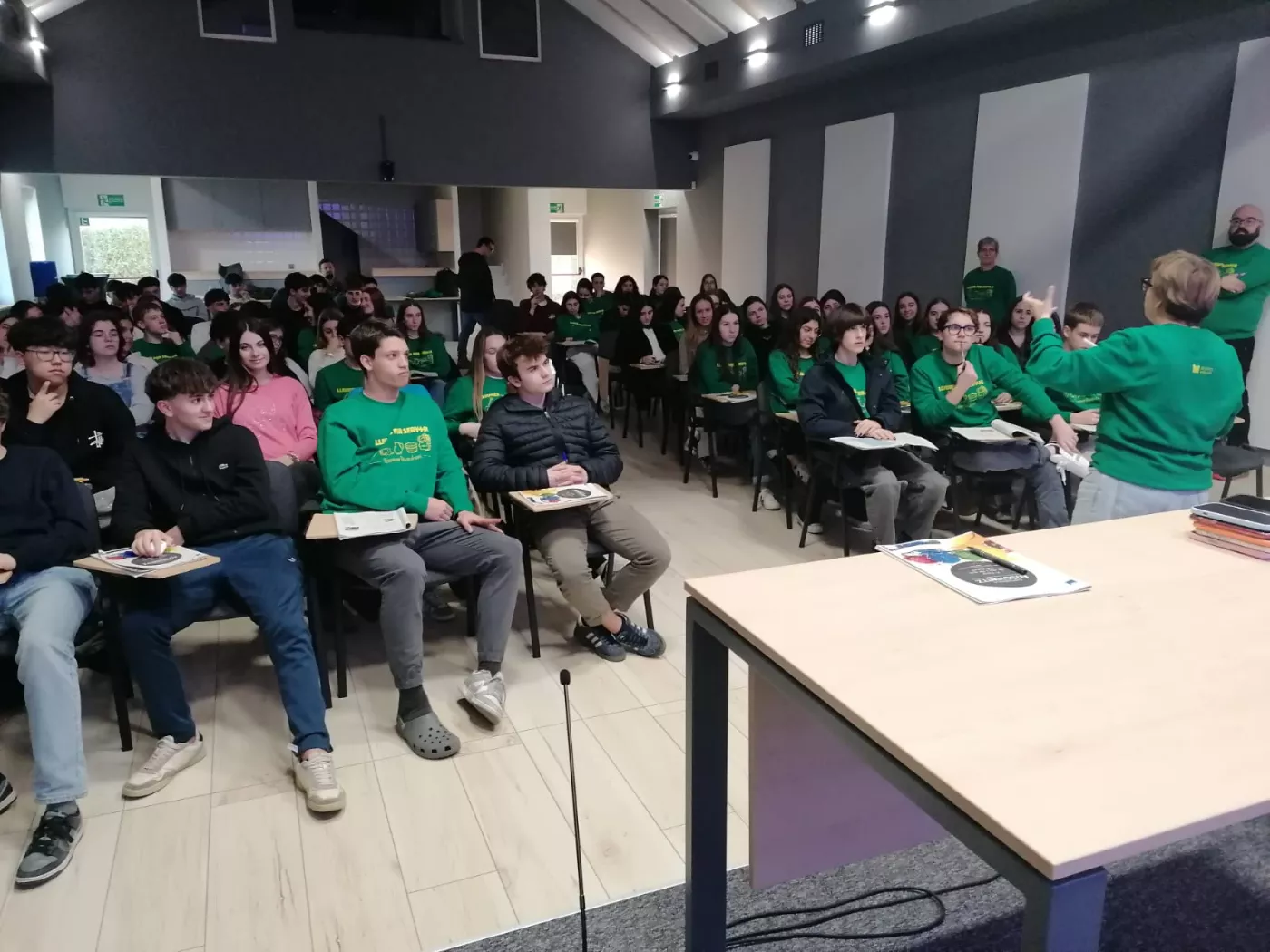
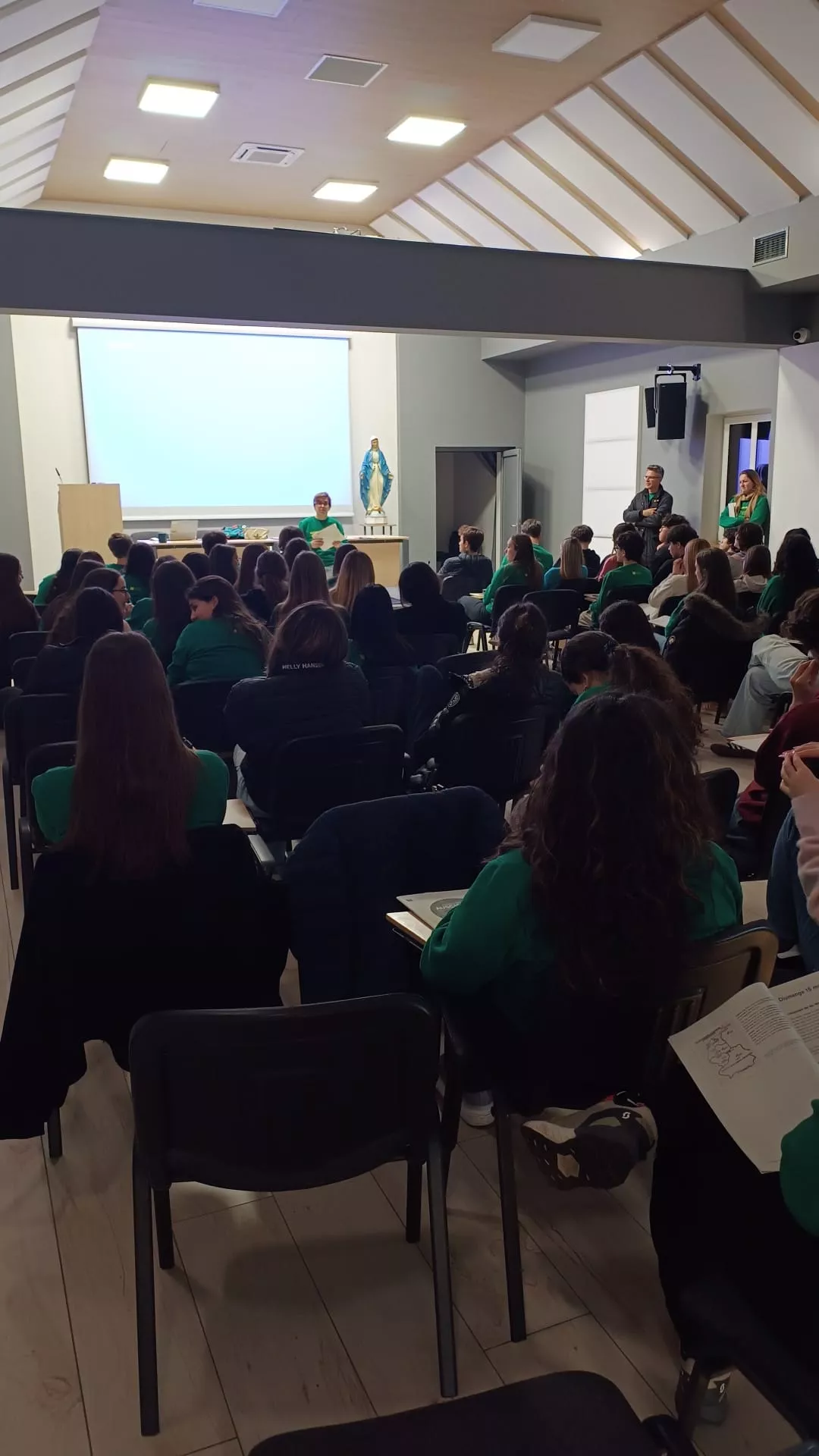
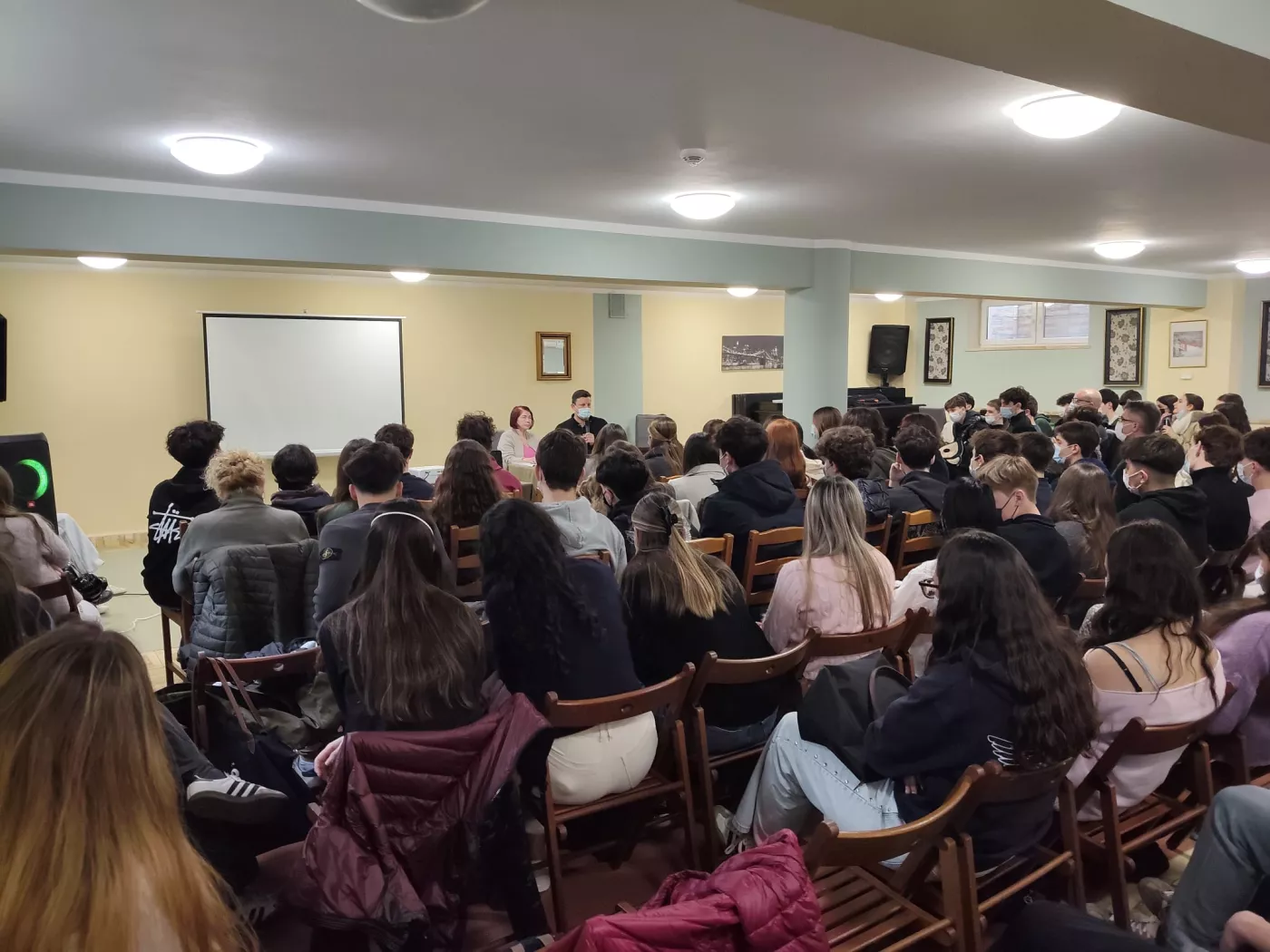
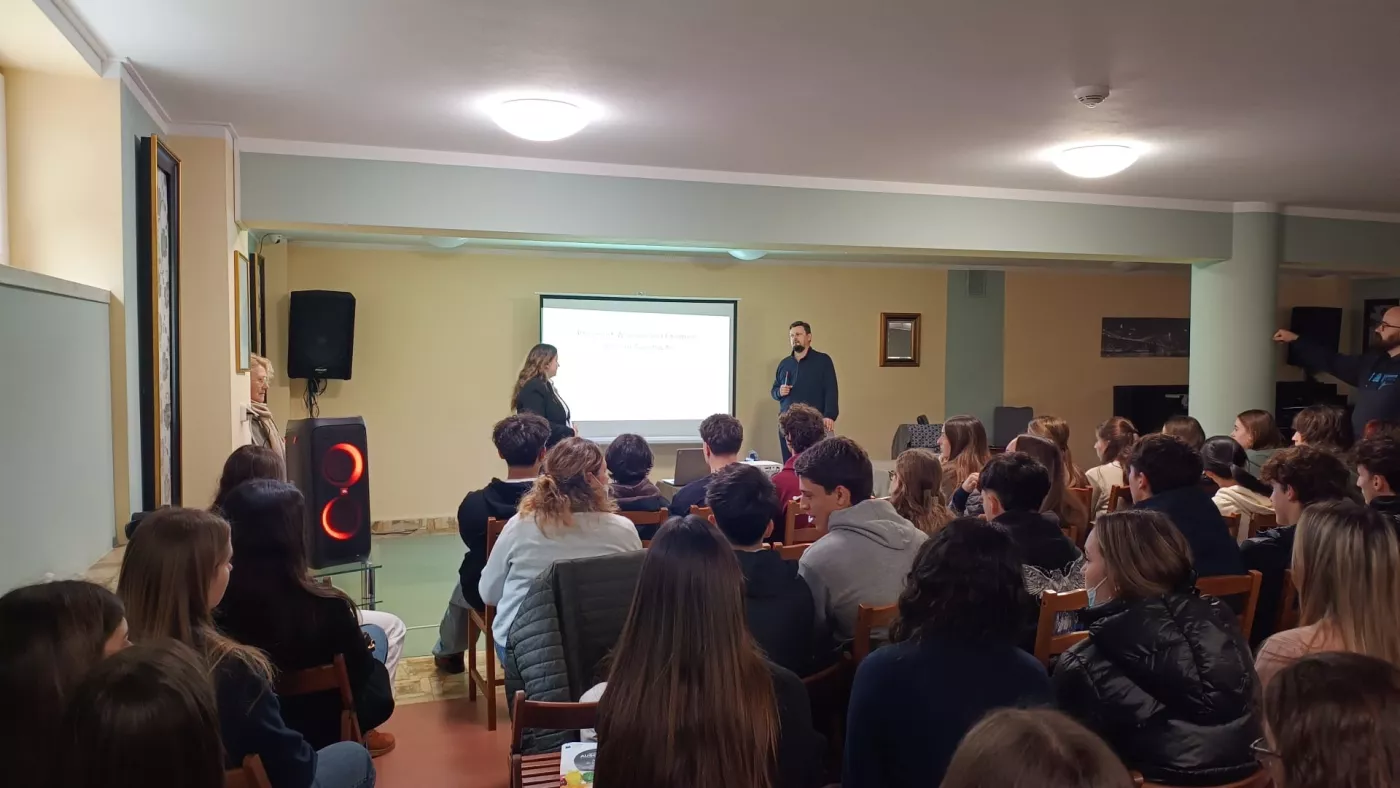
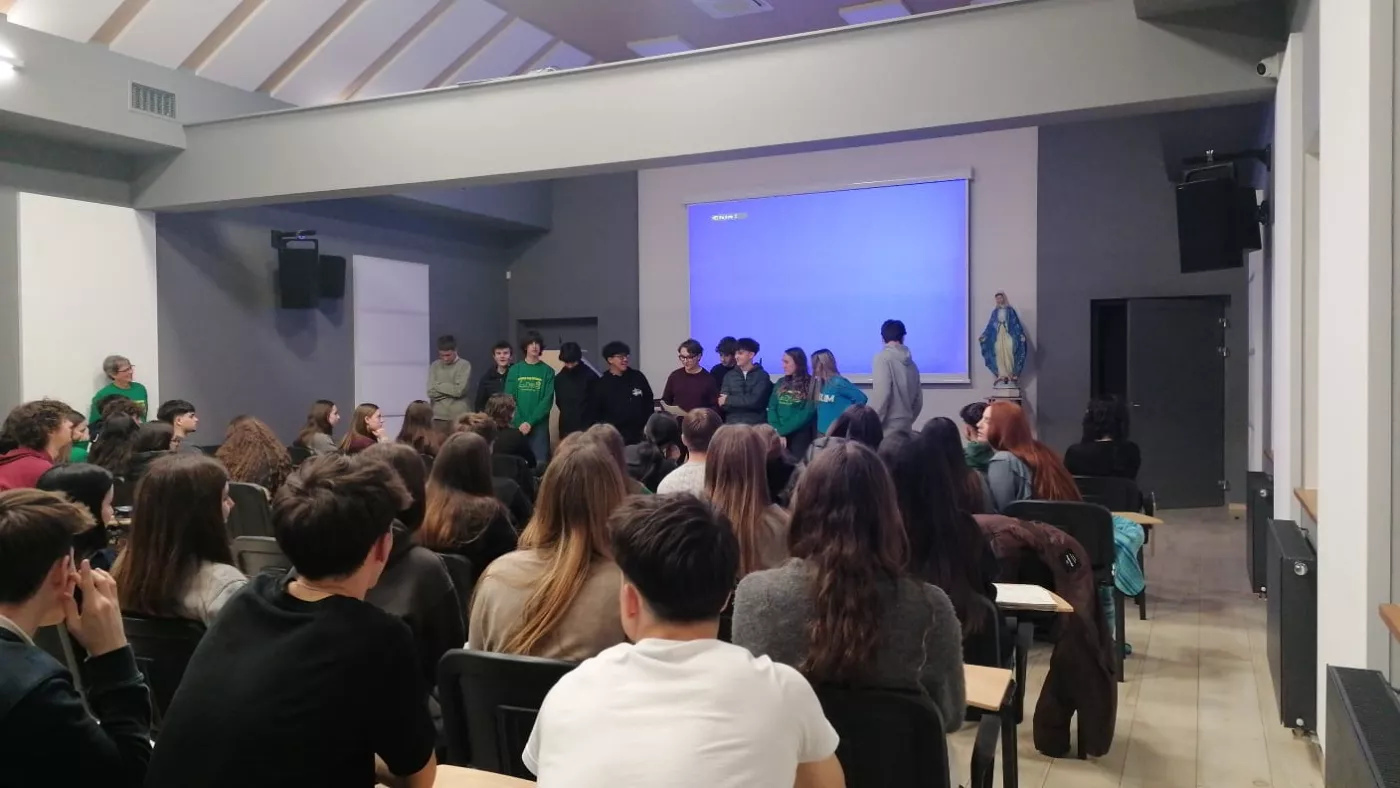
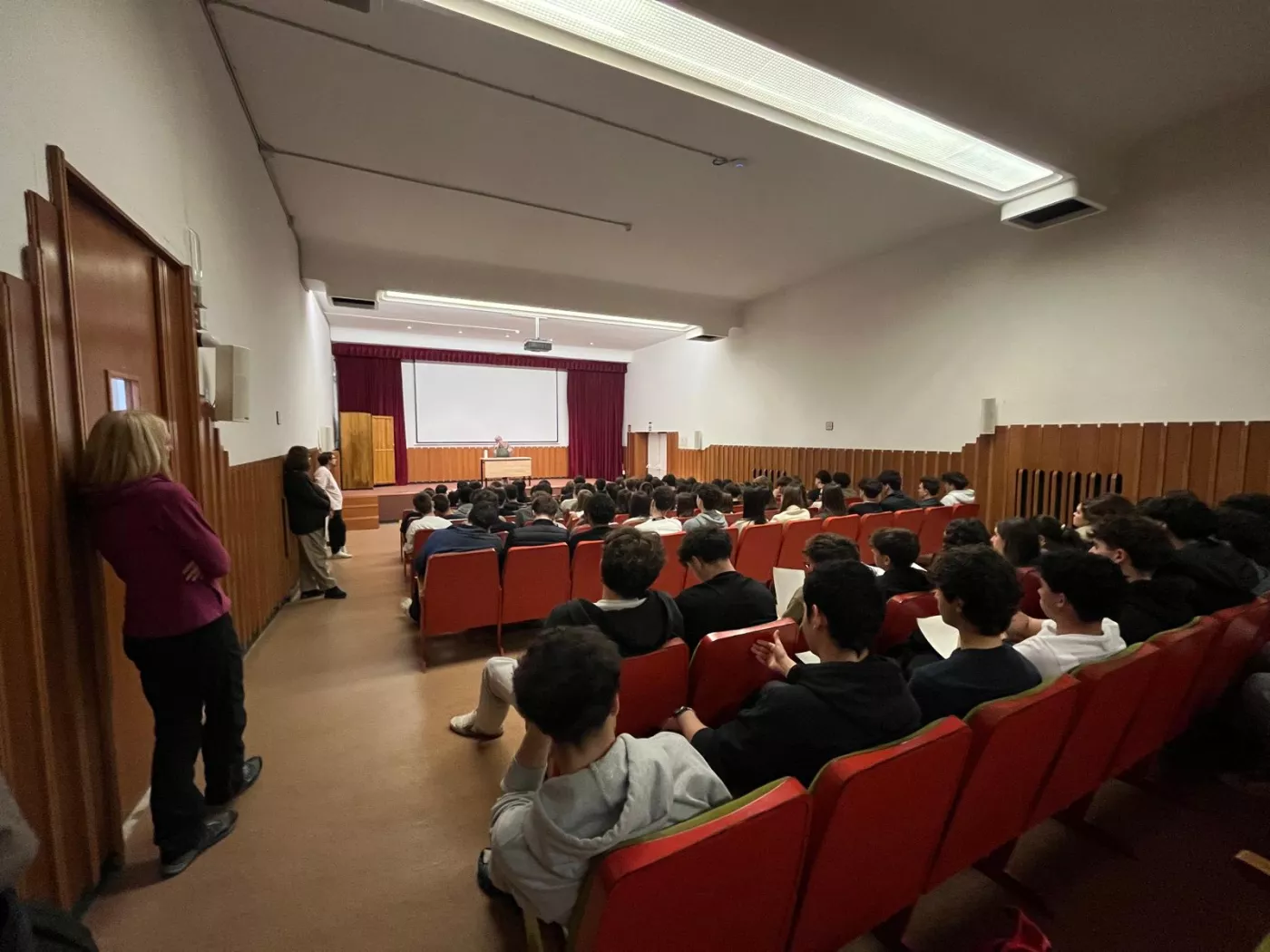
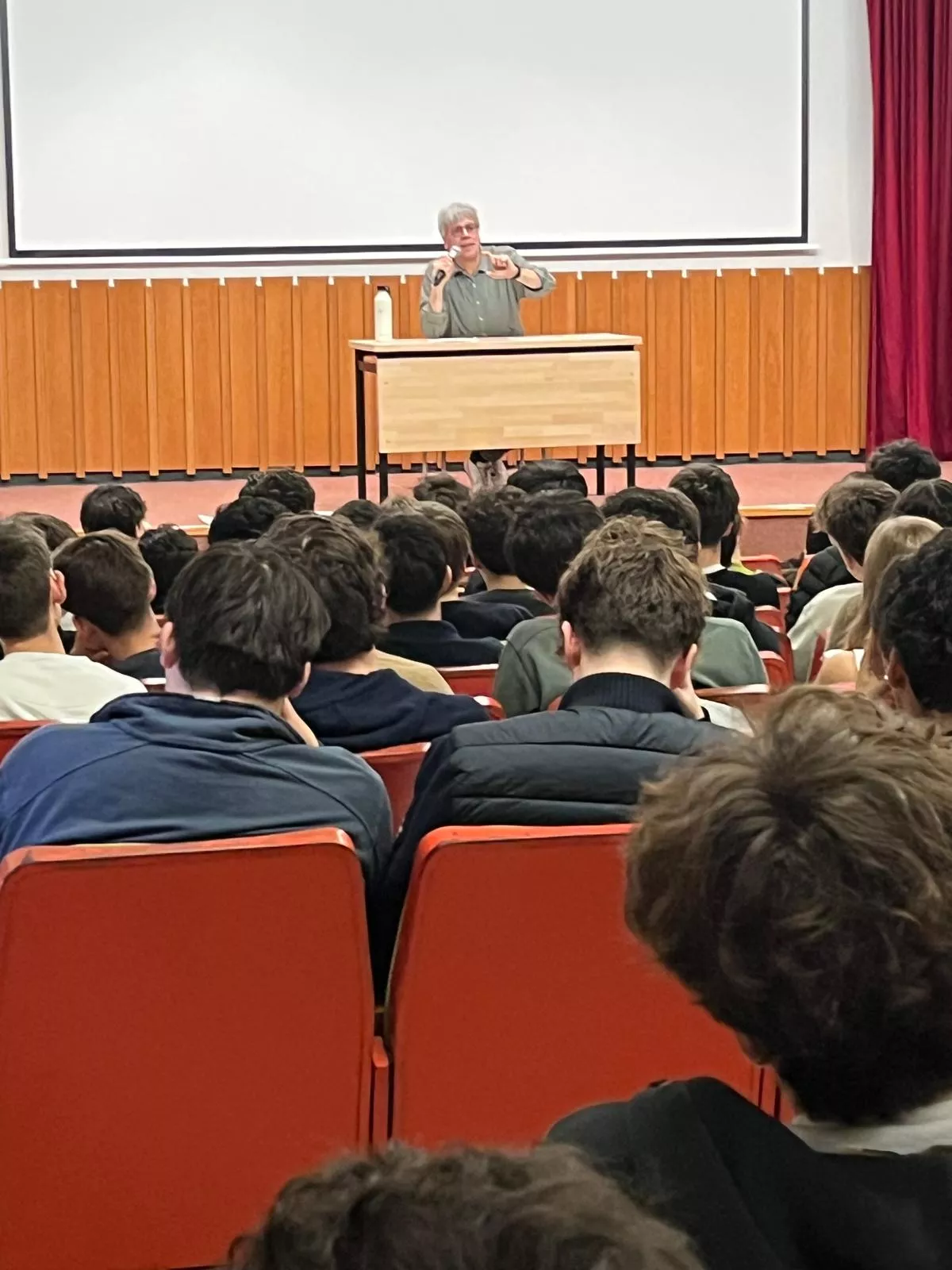
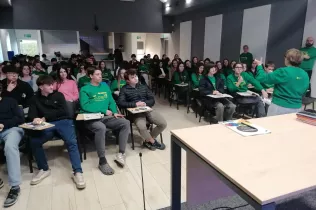
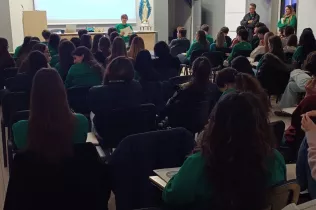
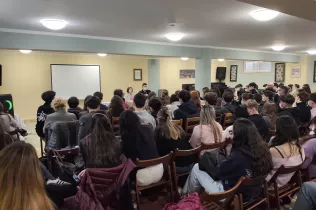
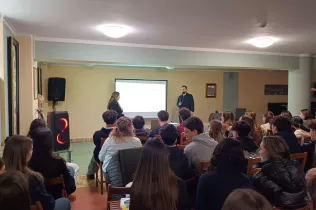
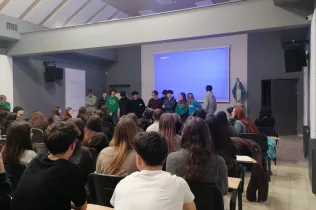
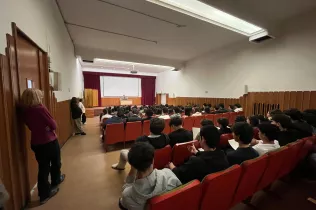
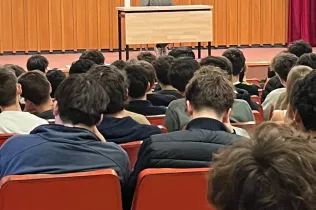
At the same time, the Year 1 Upper Secondary students who did not participate in the trip were able to delve deeper into the topic through a talk given by professor Ricardo Baixeras last Thursday, 19th March. In his speech, Baixeras highlighted that Auschwitz stands today as irrefutable physical testimony to the industrialisation of horror, becoming a fundamental pillar of collective memory that curbs historical denialism.
The professor also stressed that Auschwitz represents a definitive fracture of modernity, as it forces us to question how reason and technical progress could be put at the service of absolute and systematic dehumanisation. In this sense, he explained how, beyond mourning, its memory becomes an ethical requirement for constant vigilance, which reminds us of the fragility of civilisation and the need to actively defend it in the face of indifference.
With proposals such as this one, at Sant Ignasi we reaffirm our commitment to a comprehensive education that goes beyond the purely academic and into human and social aspects.